
A guide to ecoprint plants: color printers, tannin-rich leaves and other plant types
In this guide, you’ll learn how different ecoprint plants behave — including color printers, tannin-rich plants, light printers, non-printers and acid printers.
Do you know the difference between color printers, tannin-rich printers, light printers, non-printers, and acid printers?
Understanding these different plant qualities can make a remarkable difference in how you design and work intentionally with your ecoprints.
Every season I explore new plants and observe how they reveal themselves through ecoprinting. When creating a composition, I pay attention not only to the plant’s shape, but also to how it interacts with other plants on the fabric. By combining different forms and print qualities, I aim to create a dynamic and visually balanced expression.
I also enjoy experimenting with mixing different types of printers, allowing their unique characteristics to enhance the overall composition. Many plants actually contain several of the qualities described below, which makes the creative process even more fascinating to explore.
Understanding how plants behave in ecoprinting allows you to move from working purely by chance toward working more intentionally with your compositions.
Below are some of the most common categories of plant printers used in ecoprinting.
Tannin-rich ecoprint plants
Tannin-rich printers contain high amounts of tannins — natural compounds that react strongly with iron. When iron is introduced in the process, these plants can produce dramatic dark grey or even almost black prints.
Many tannin-rich plants also create beautiful textures within the print. Some produce tiny dotted patterns across the leaf surface, while others reveal two-toned patterns, as seen in the print below. I particularly love this effect because it adds depth and vibrancy to the composition.
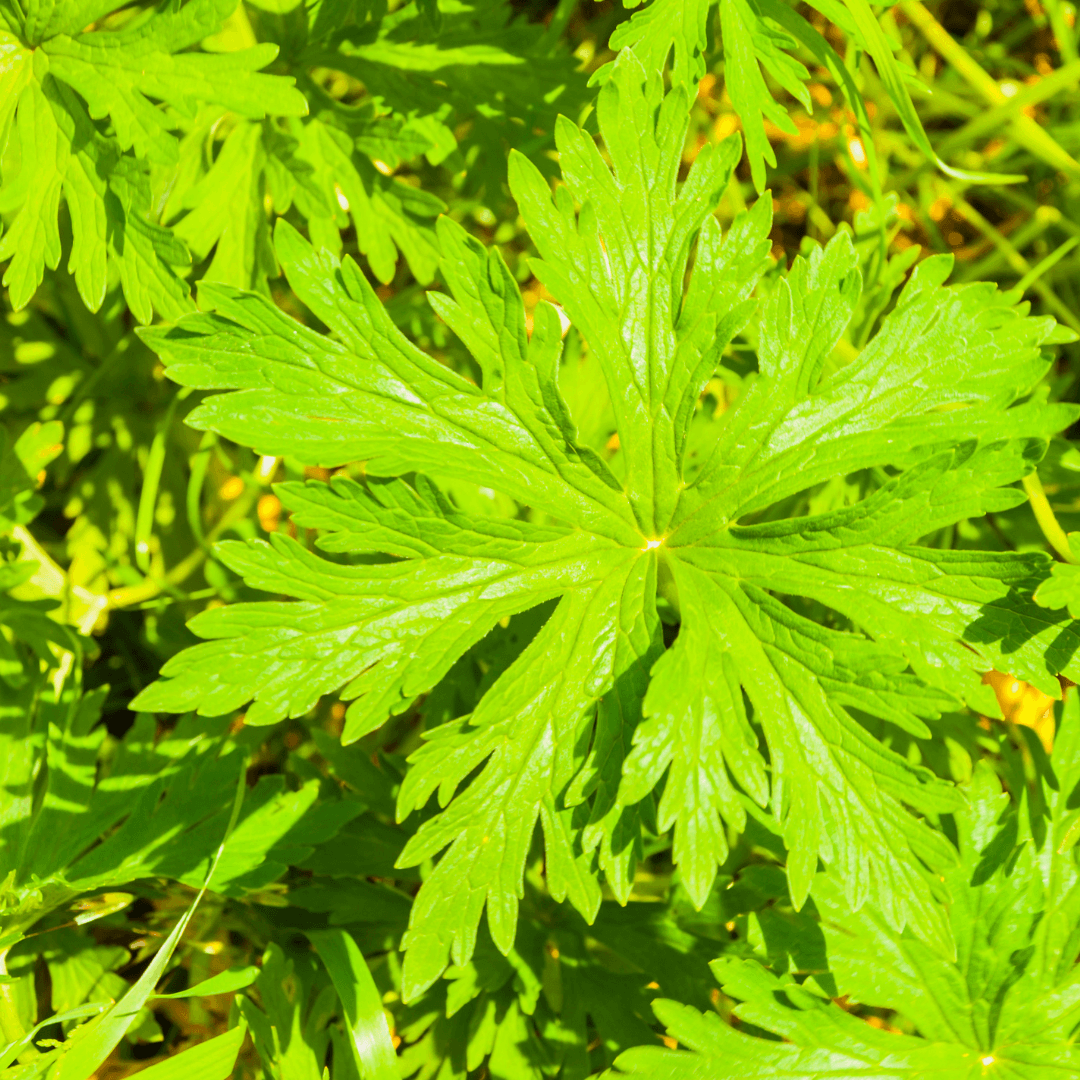
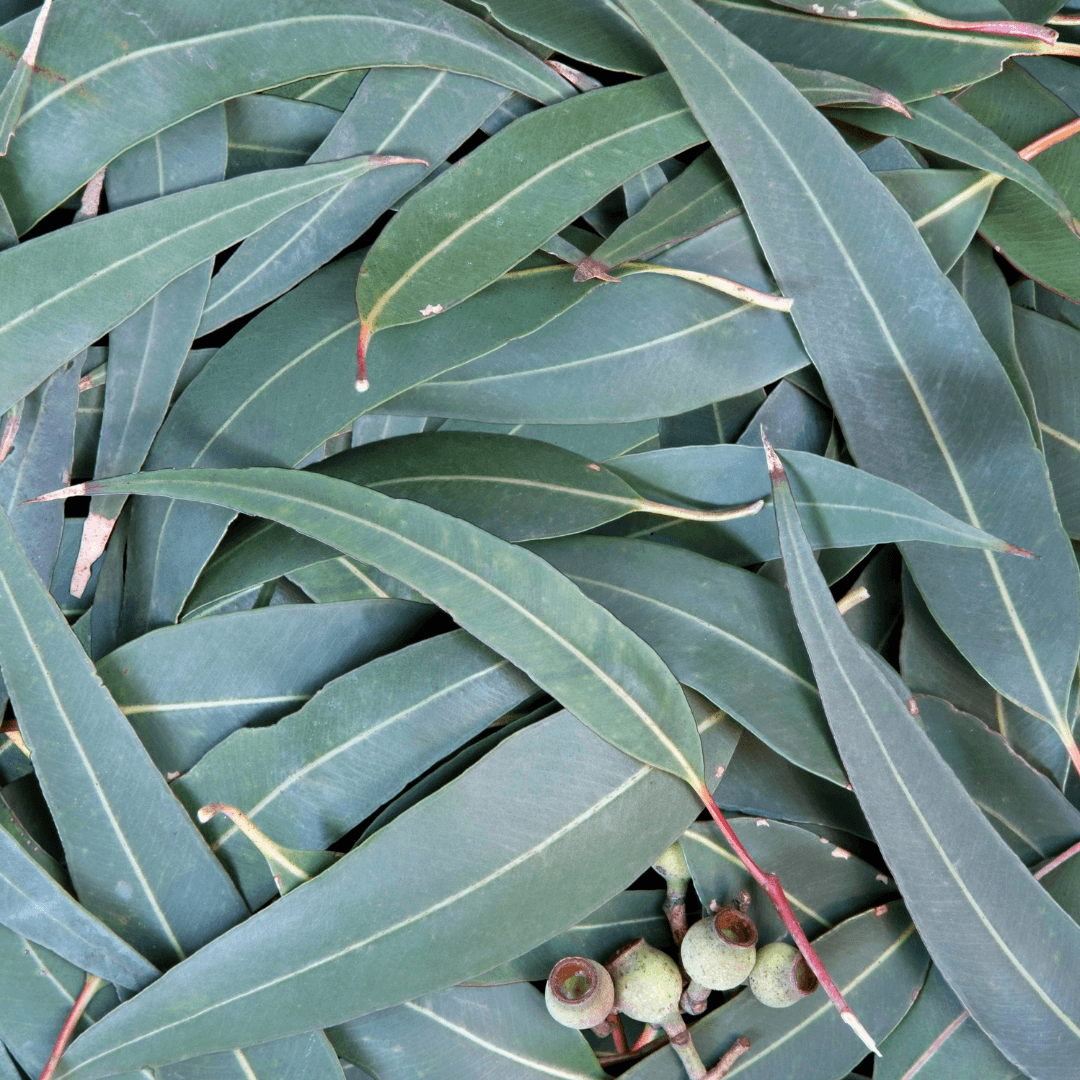
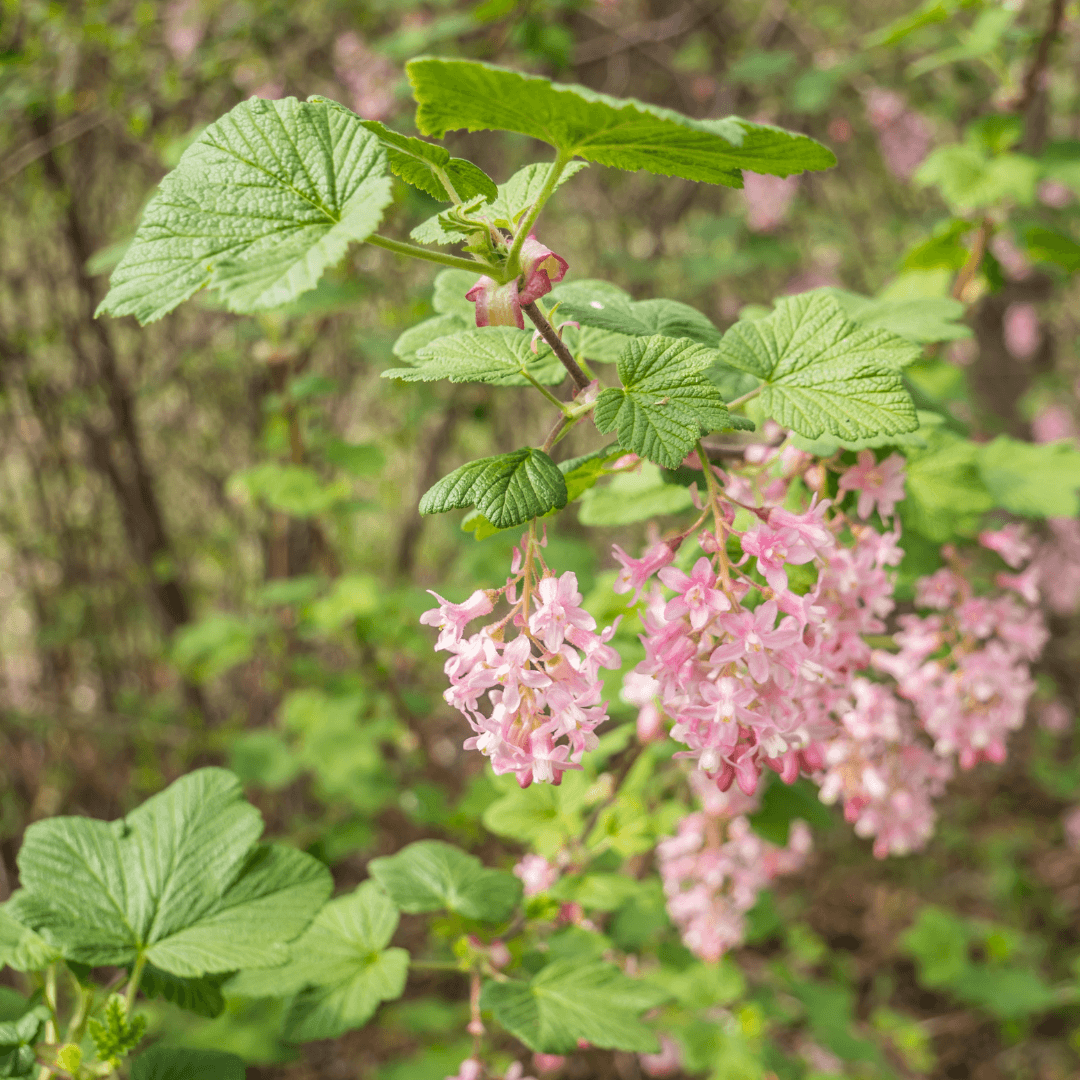
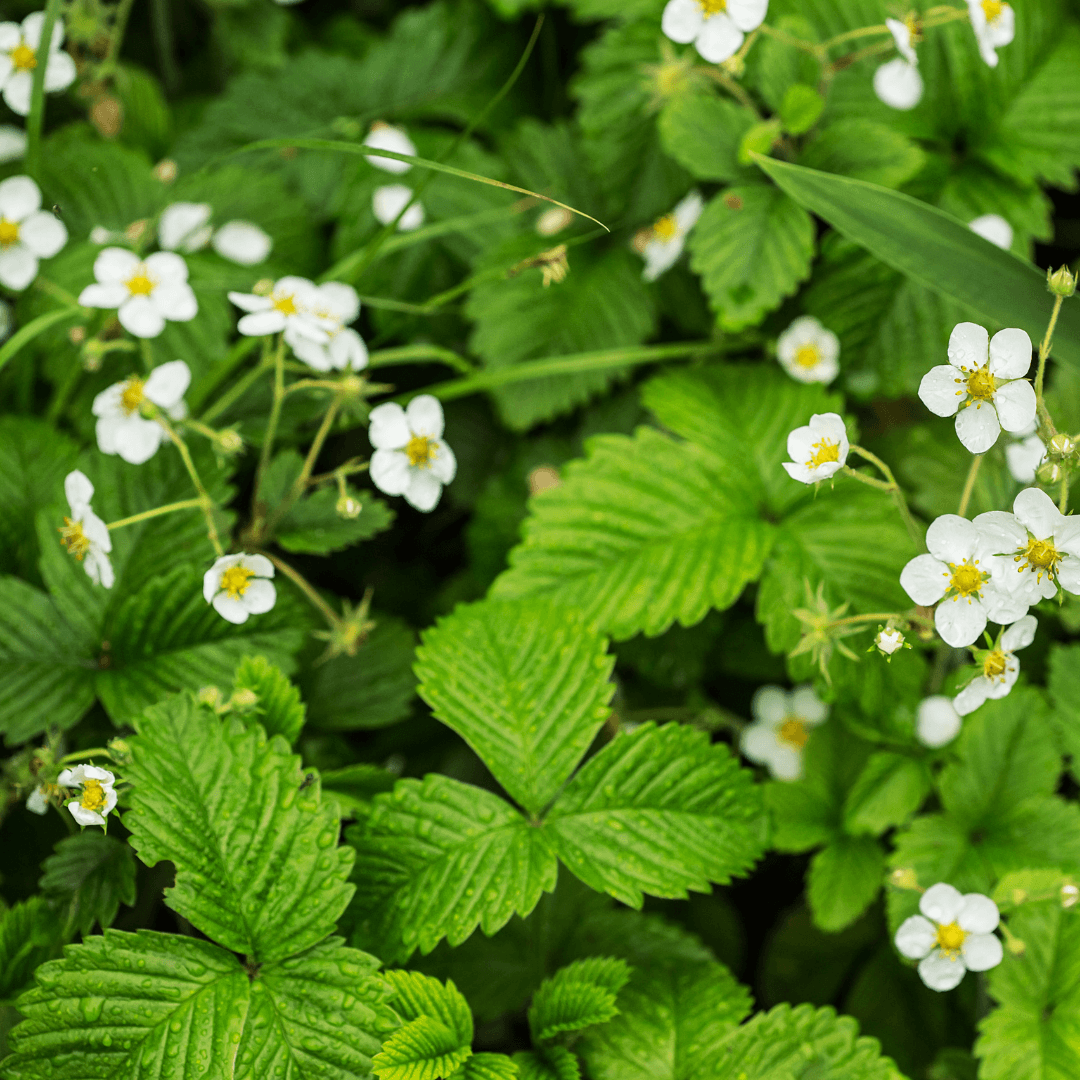
Examples of tannin-rich printers include various types of Geranium, Blood Currant, Strawberry leaves, Eucalyptus leaves and bark, and many other plants.
Some plants also function as both tannin printers and color printers, depending on the conditions of the print.
Color printers in ecoprinting
Color printers are plants that contain a high amount of natural pigment. During steaming, these pigments transfer easily to the fabric and often produce strong, clear and richly colored prints.
When used together with the right mordants, color printers can create beautifully detailed impressions of the plant.
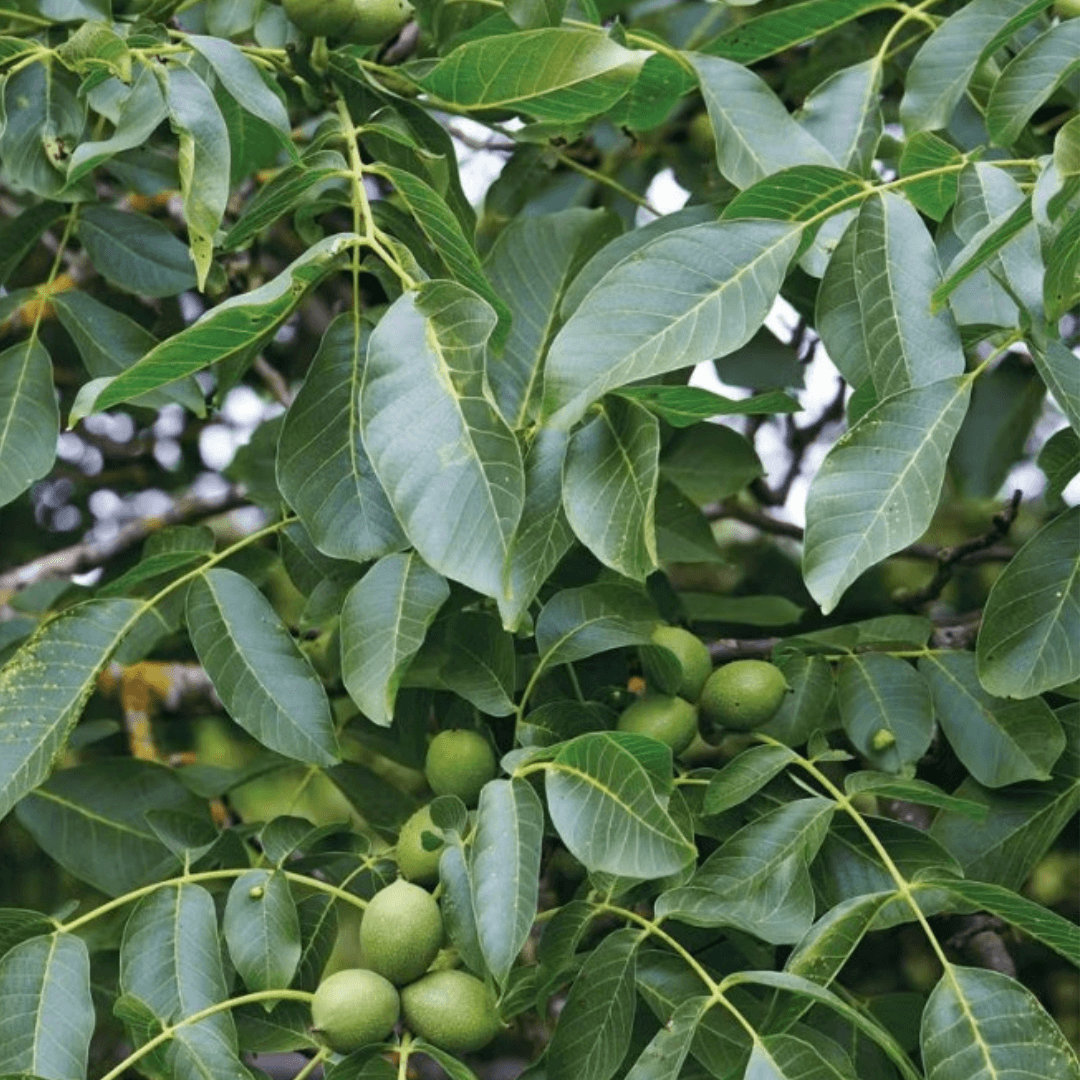
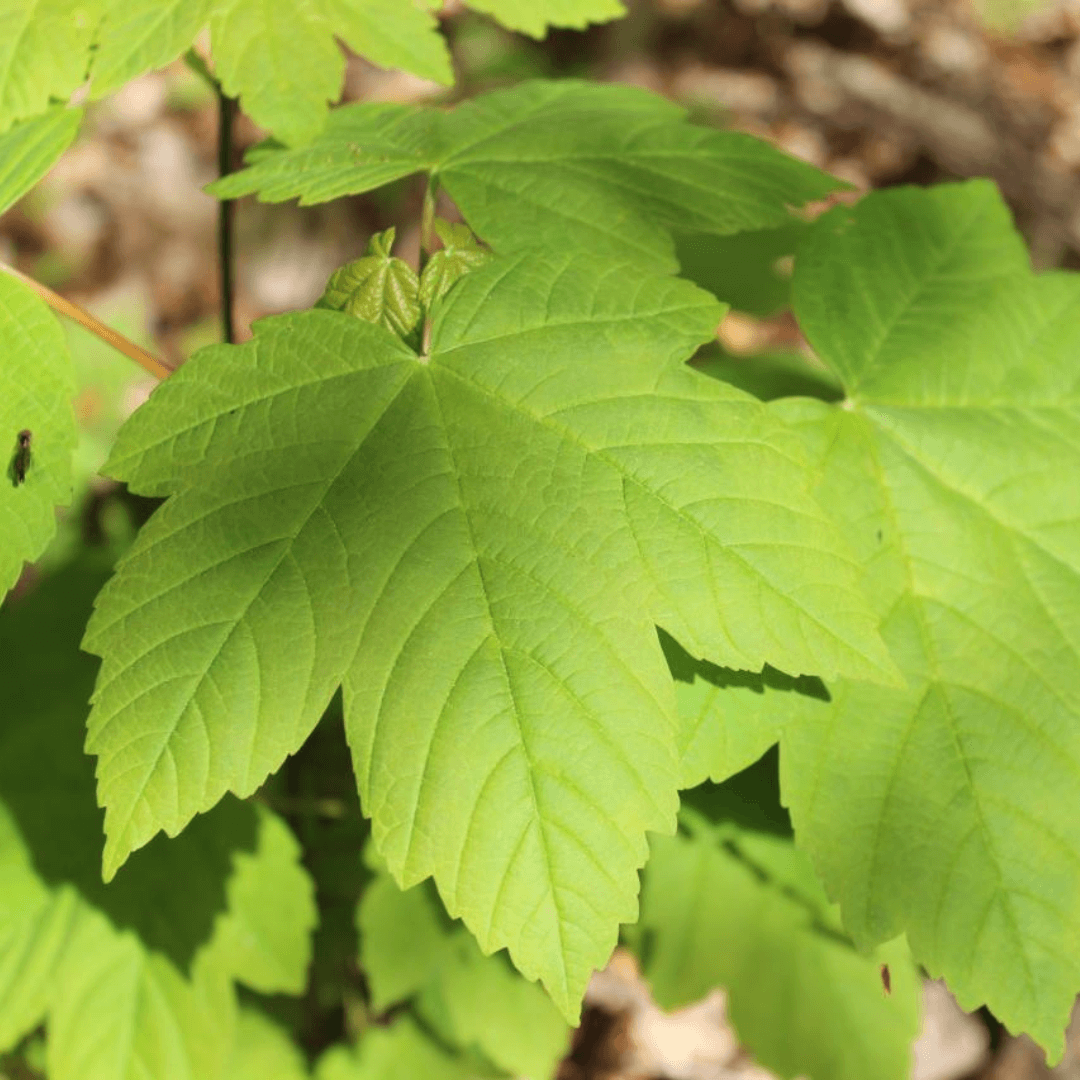
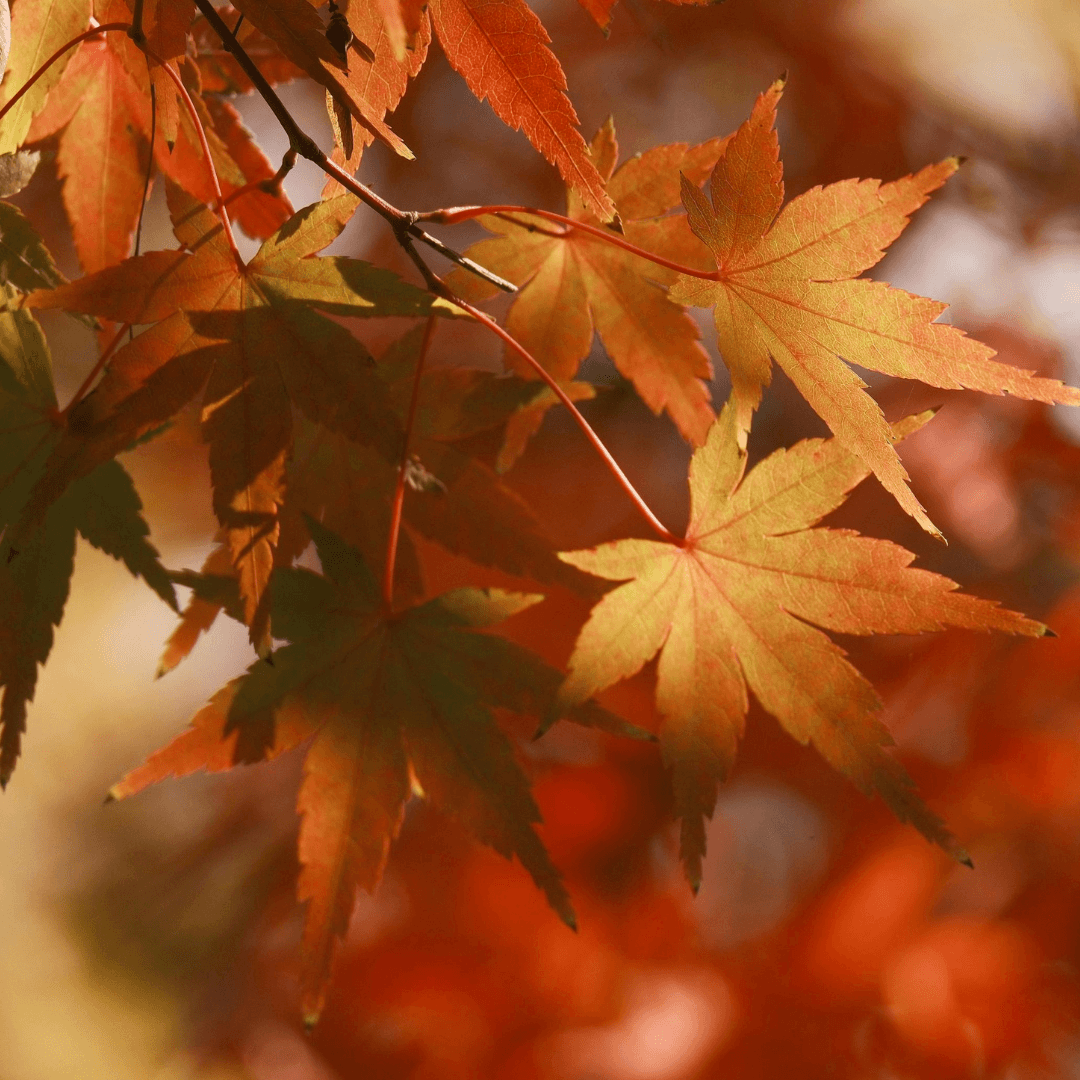
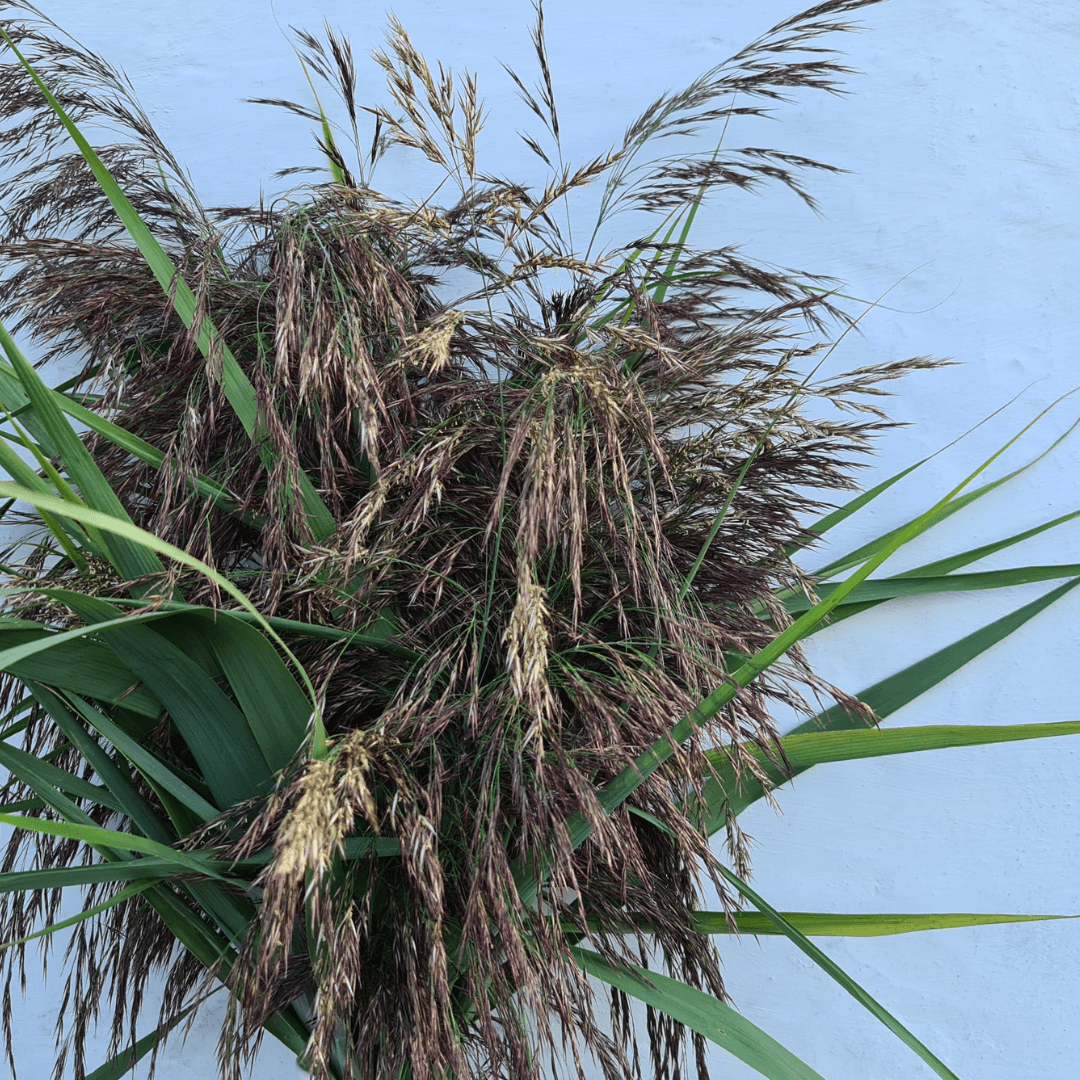
Examples include different types of Maple (many varieties), Japanese Acer (many varieties), Walnut, Phragmite and Geranium/cranesbill (many varieties), as well as richly colored flowers such as Bidens and Coreopsis — though many other plants can also function as color printers.
Non- and light-printers in Ecoprint
Non-printers and light-printers contain no or very little color and therefore transfer minimal pigment to the fabric.
However, they can still play a very important role in a print.
Instead of adding color, they often function as natural resists. When placed on dyed fabric or when using a colored blanket, the plant prevents the color from reaching the fabric underneath.
This creates a subtle yet distinct silhouette of the plant within the background color.
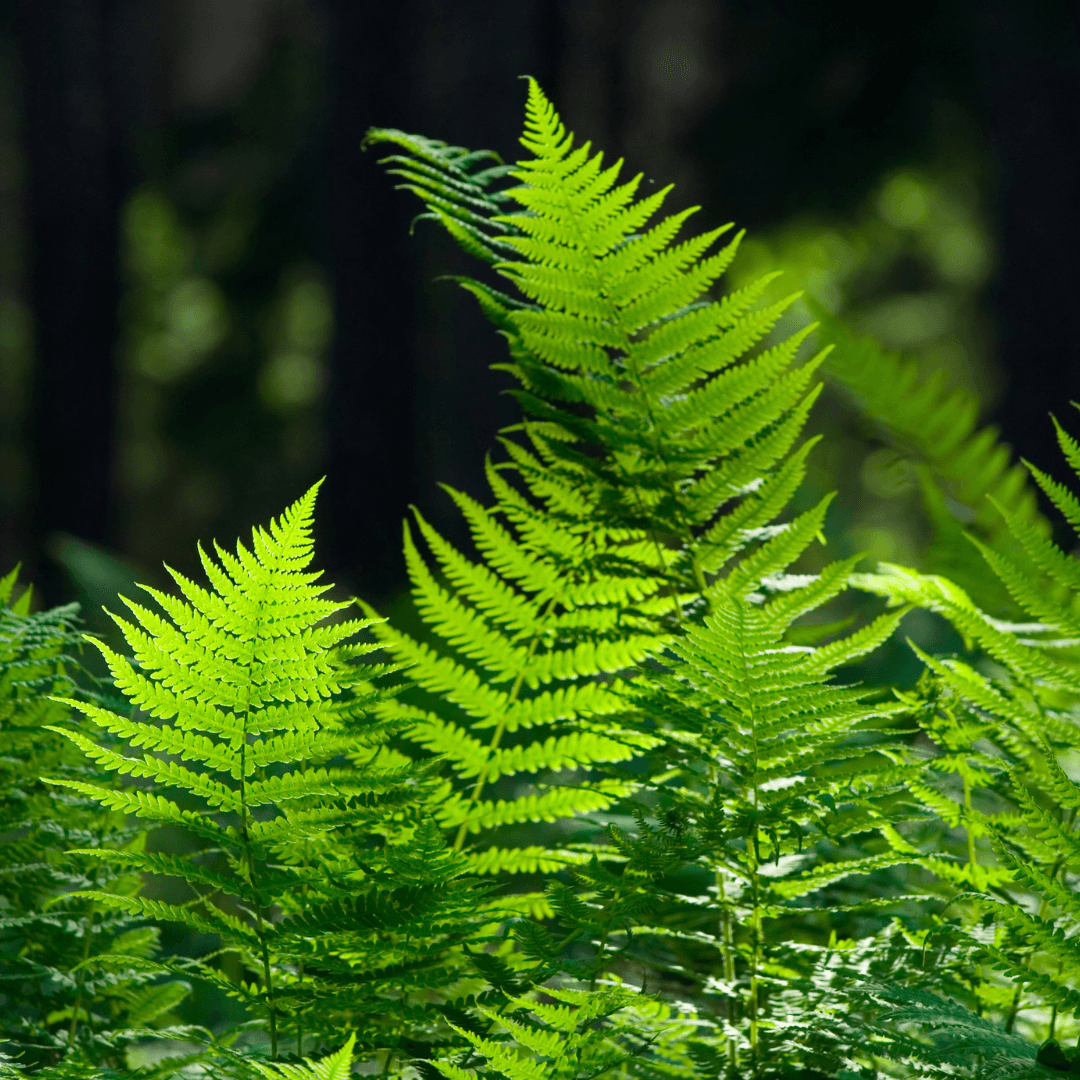
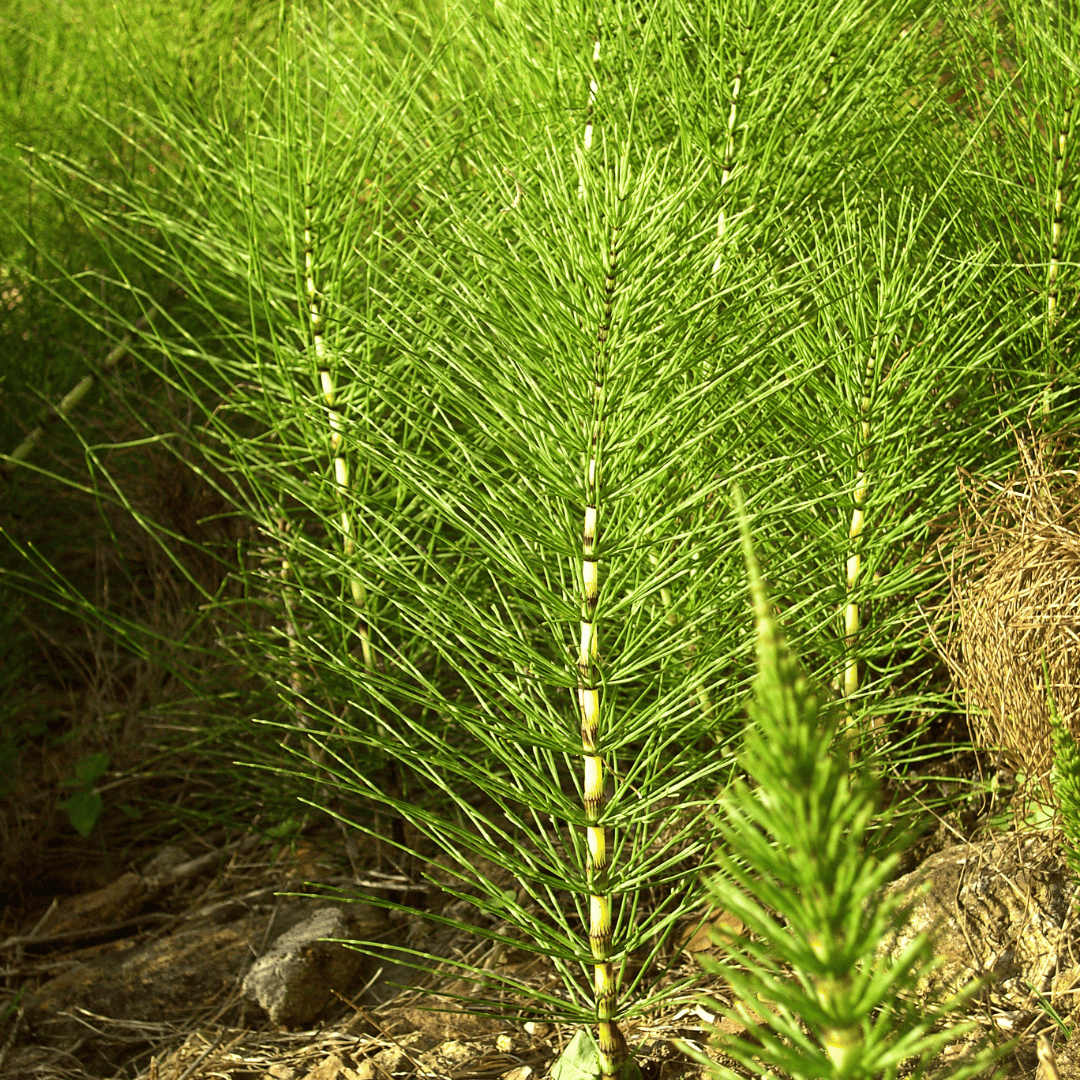
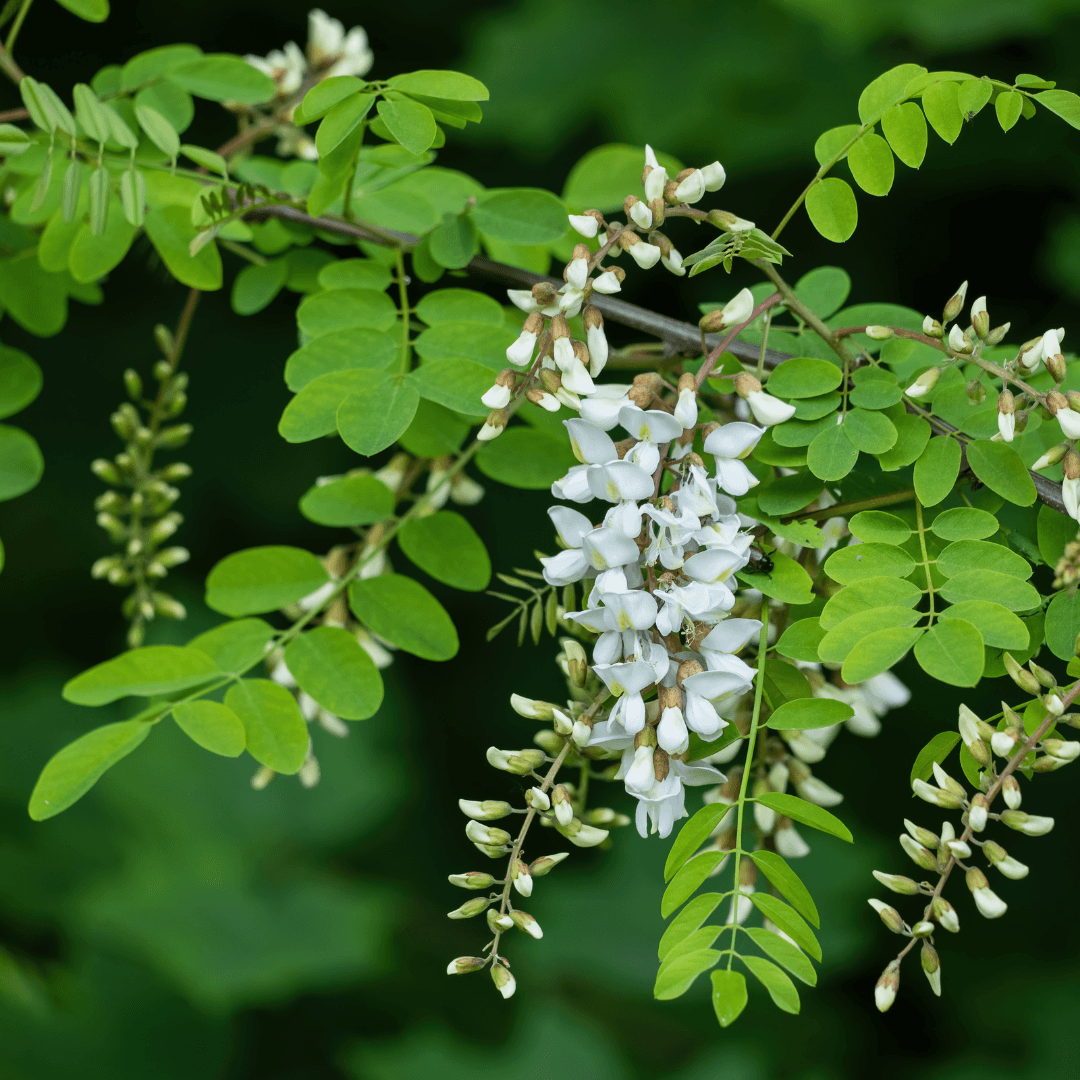
Examples include Ferns, Linden, Dandelion, Robinia, Cypress and Horsetail, and in some cases the sun-facing side of certain leaves, which may contain very little pigment.
Although their imprints may appear delicate, they can create incredibly beautiful effects when used alongside stronger printers or when applied in layer-on-layer techniques.
I particularly enjoy working with them because they produce soft pastel-like tones and bring a sense of lightness to the composition.
Another fascinating quality is their ability to blend gently with background colors, sometimes creating unexpectedly beautiful shades.
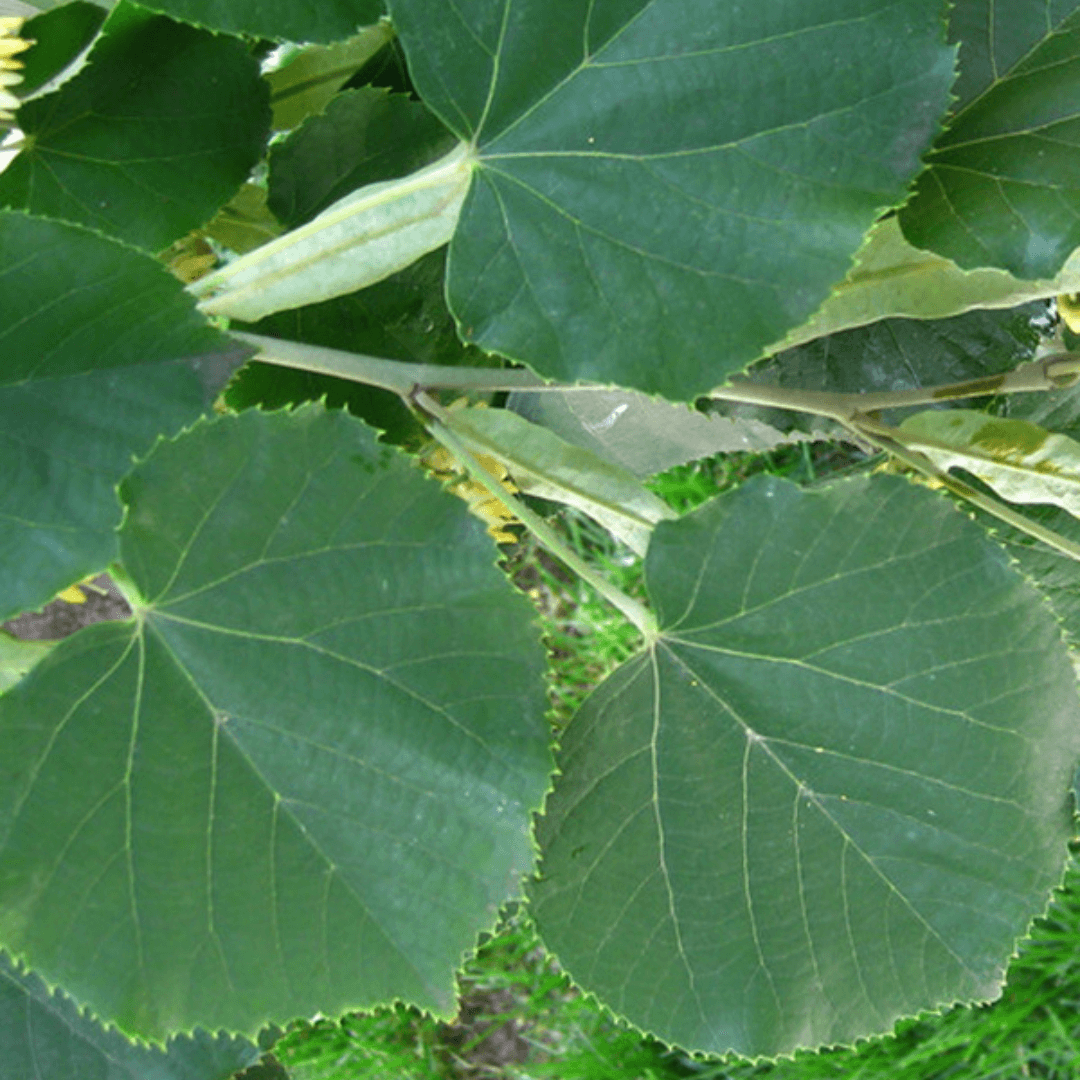
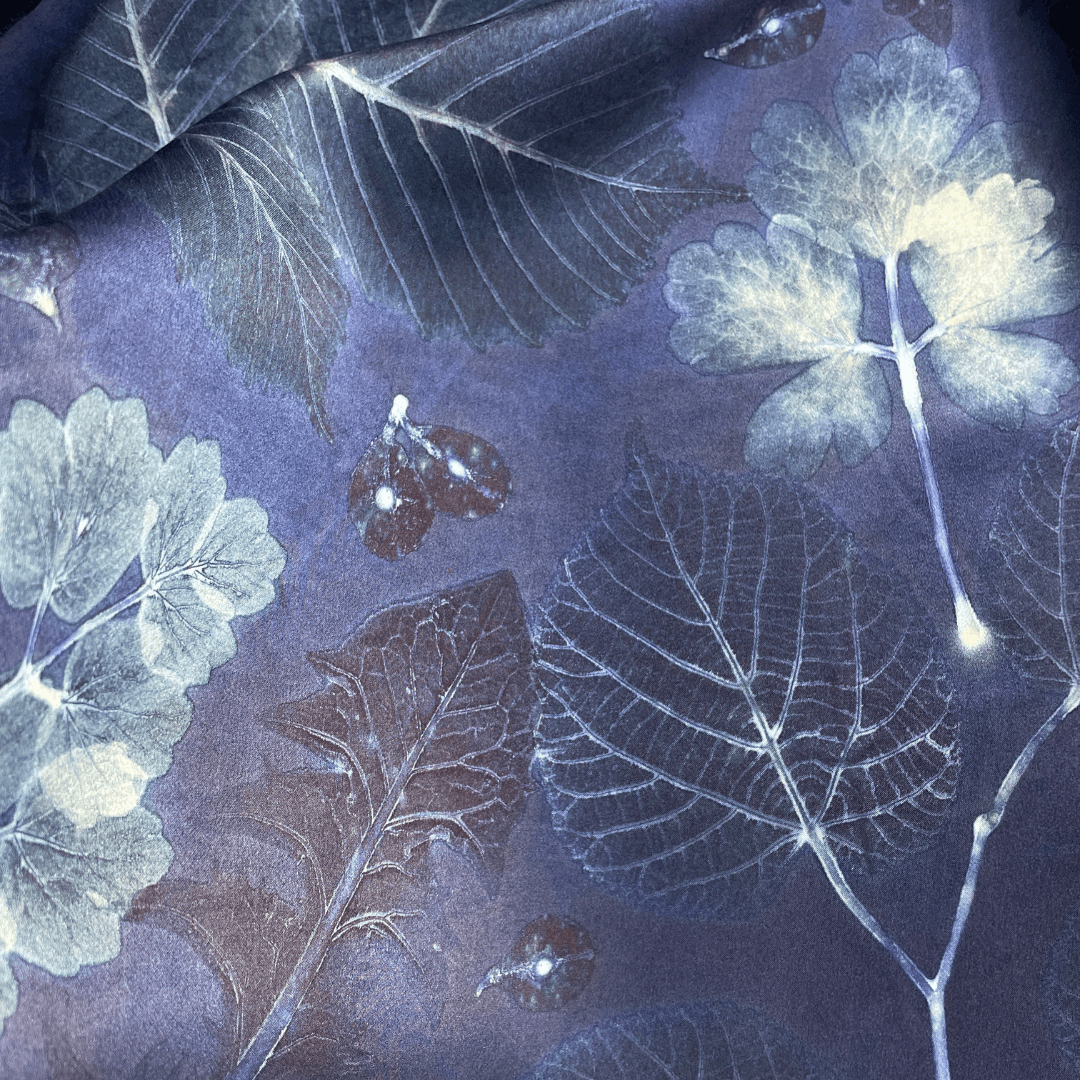
Sometimes color from the blanket migrates through the plant material, blending with compounds naturally present in the leaf and creating delicate x-ray-like effects. In spring, when many leaves are thin and highly permeable, the dye can pass almost completely through the leaf and bind to the fabric, resulting in deep, richly colored or very dark impressions such as the print shown below, where especially dandelion and linden appears extra dark. Other leaves create soft tone-on-tone effects that appear just slightly lighter than the surrounding background color due to their own dye composition and moisture content. These expressions are some of the qualities I find most beautiful in botanical printing.
Acid rich Ecoprint plants
Acid printers contain natural acids that can influence the colors in your ecoprint.
Rather than adding pigment, they often act as dischargers, meaning they can lighten or remove colour in the areas where they are placed. This happens because acid naturally lightens many plant dyes.
When used together with other types of printers, they can create bright highlights and interesting contrasts within a composition.
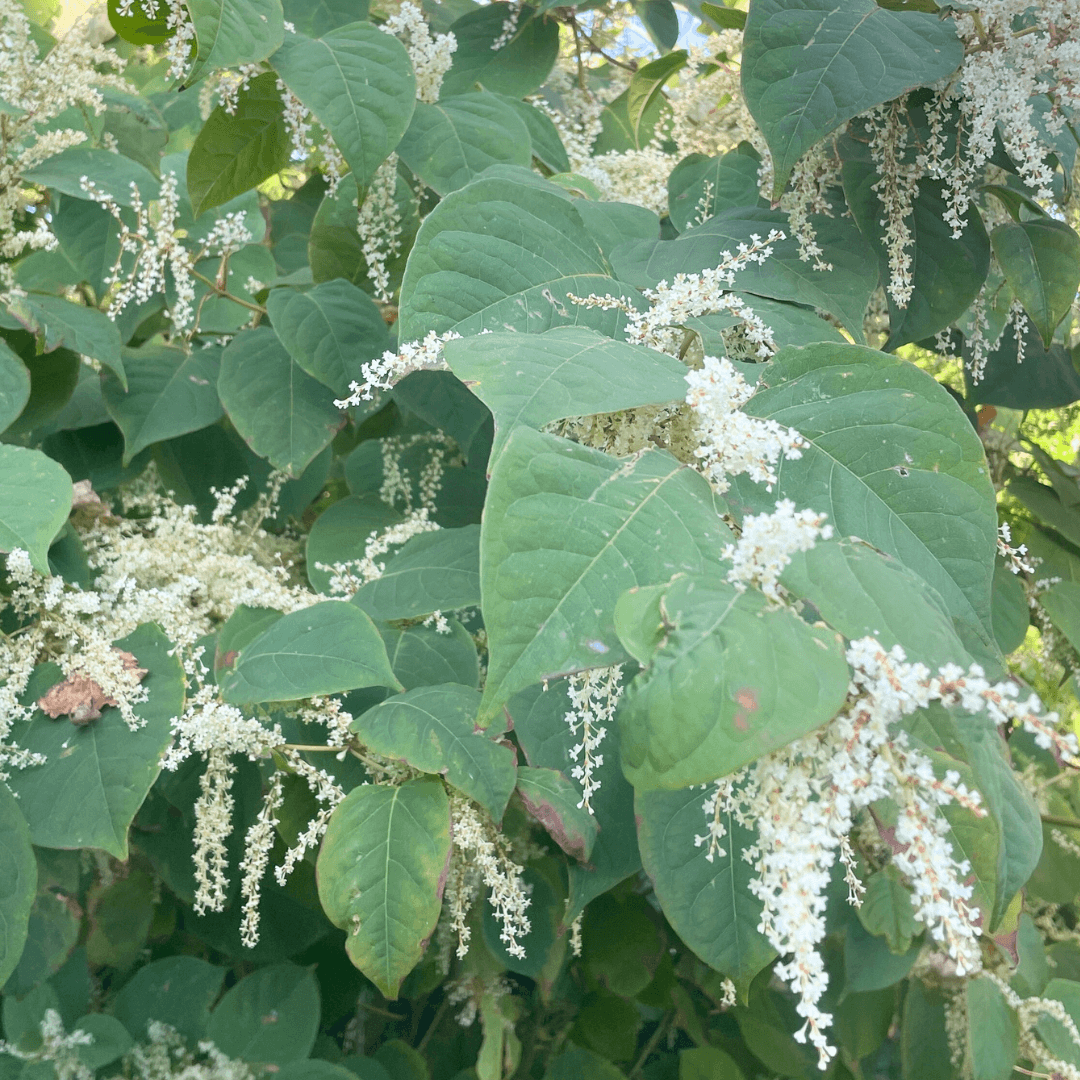
An example is Japanese knotweed, the leaves normally act as a light printer, but the flowers that grows on long tendrils and can create beautiful acid printing effects.
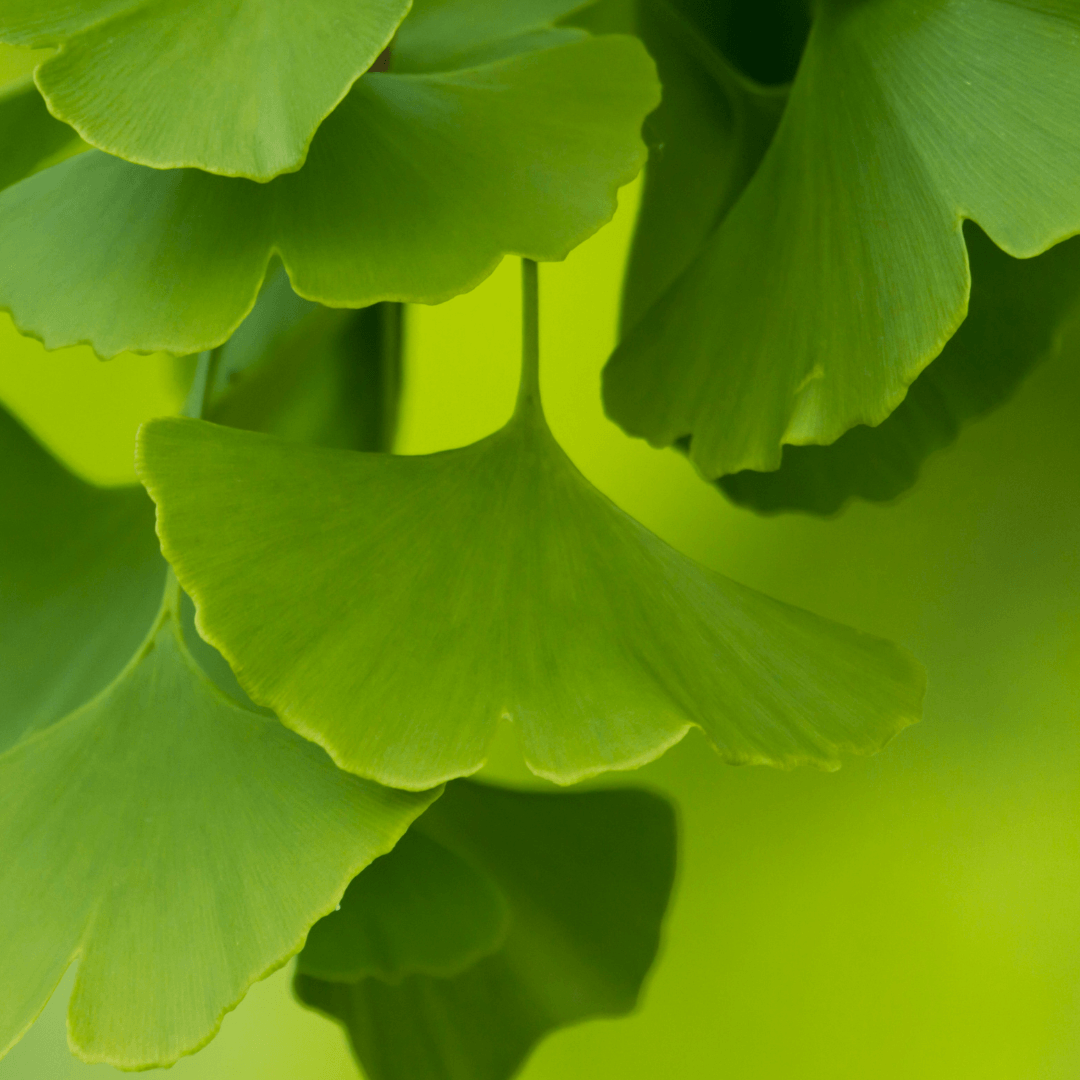
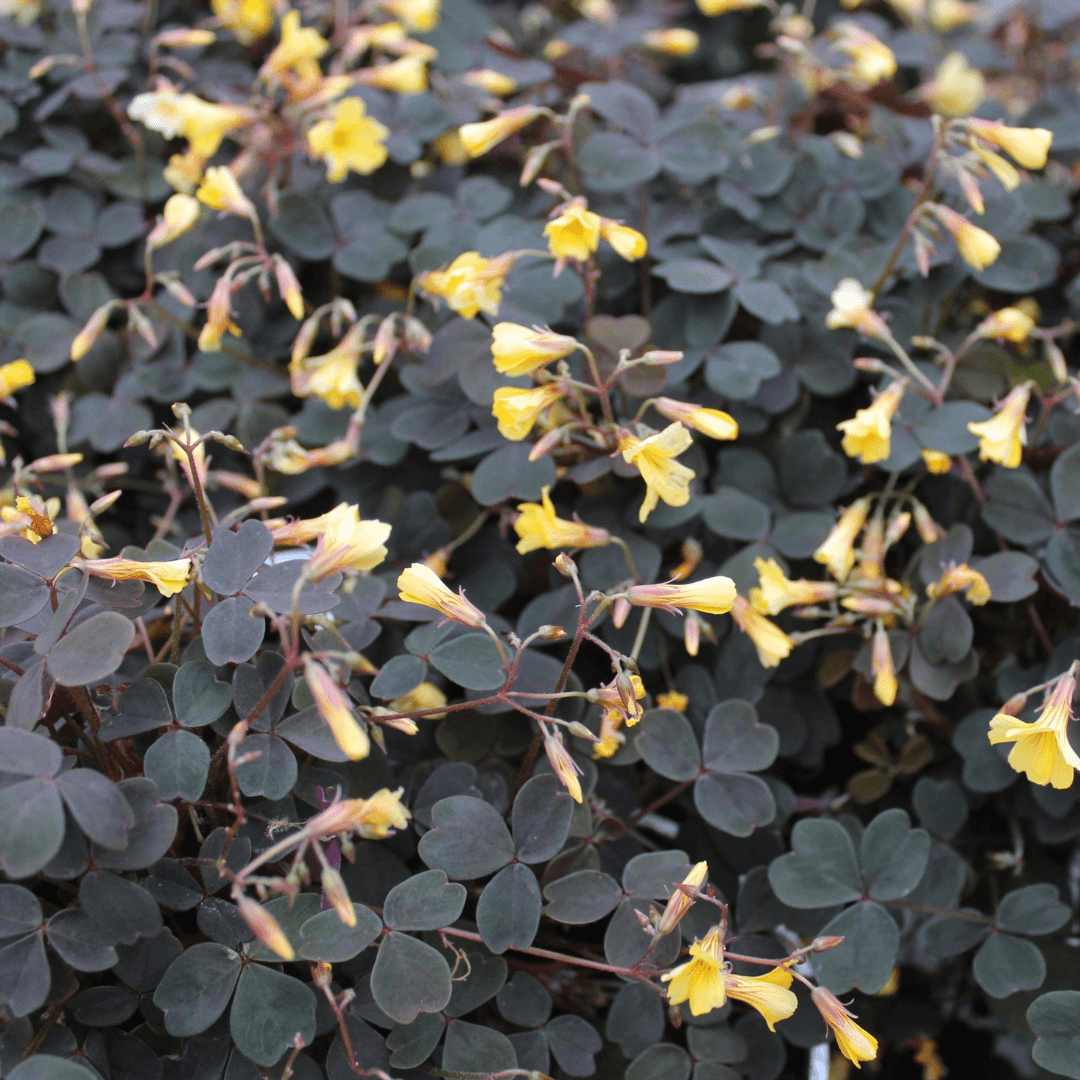
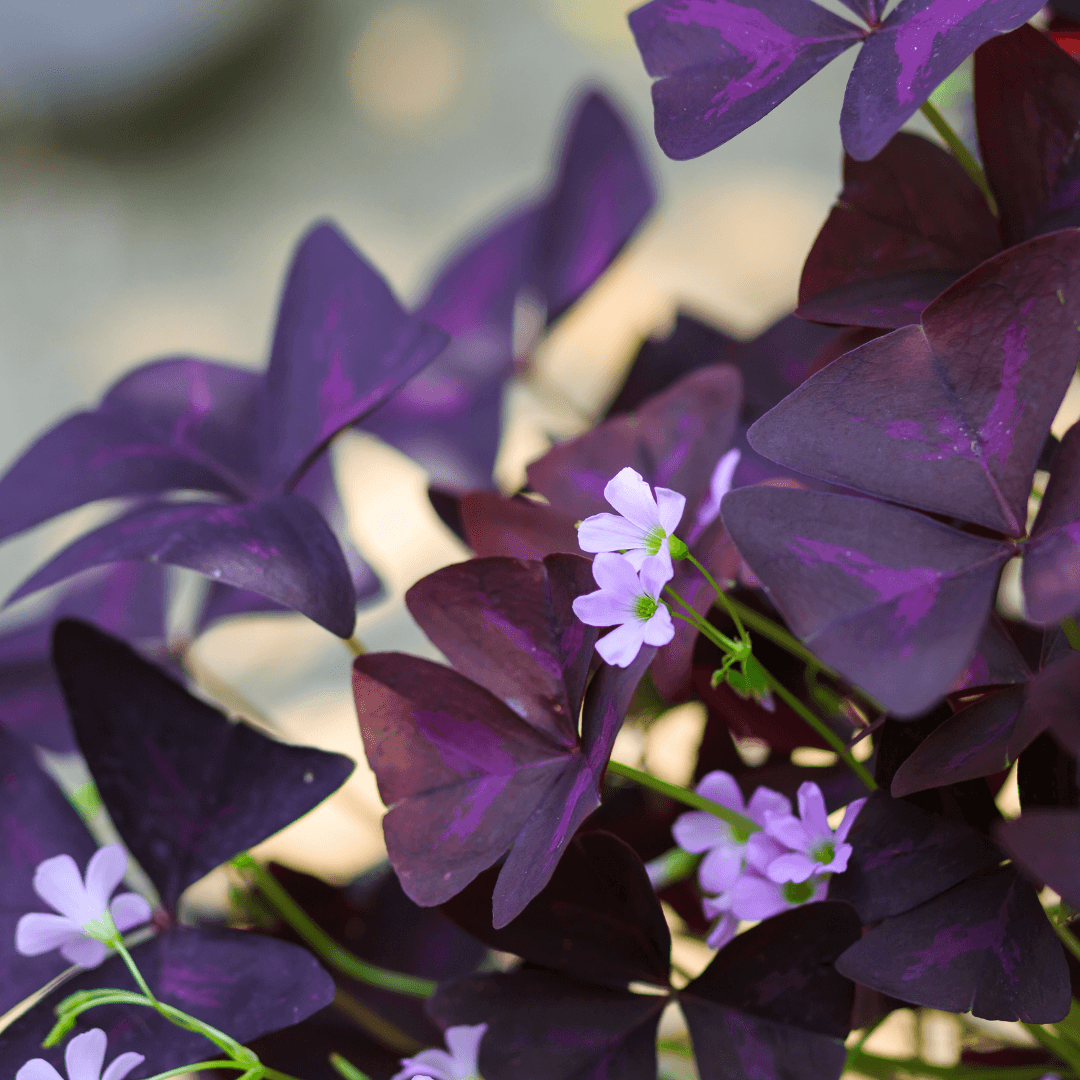
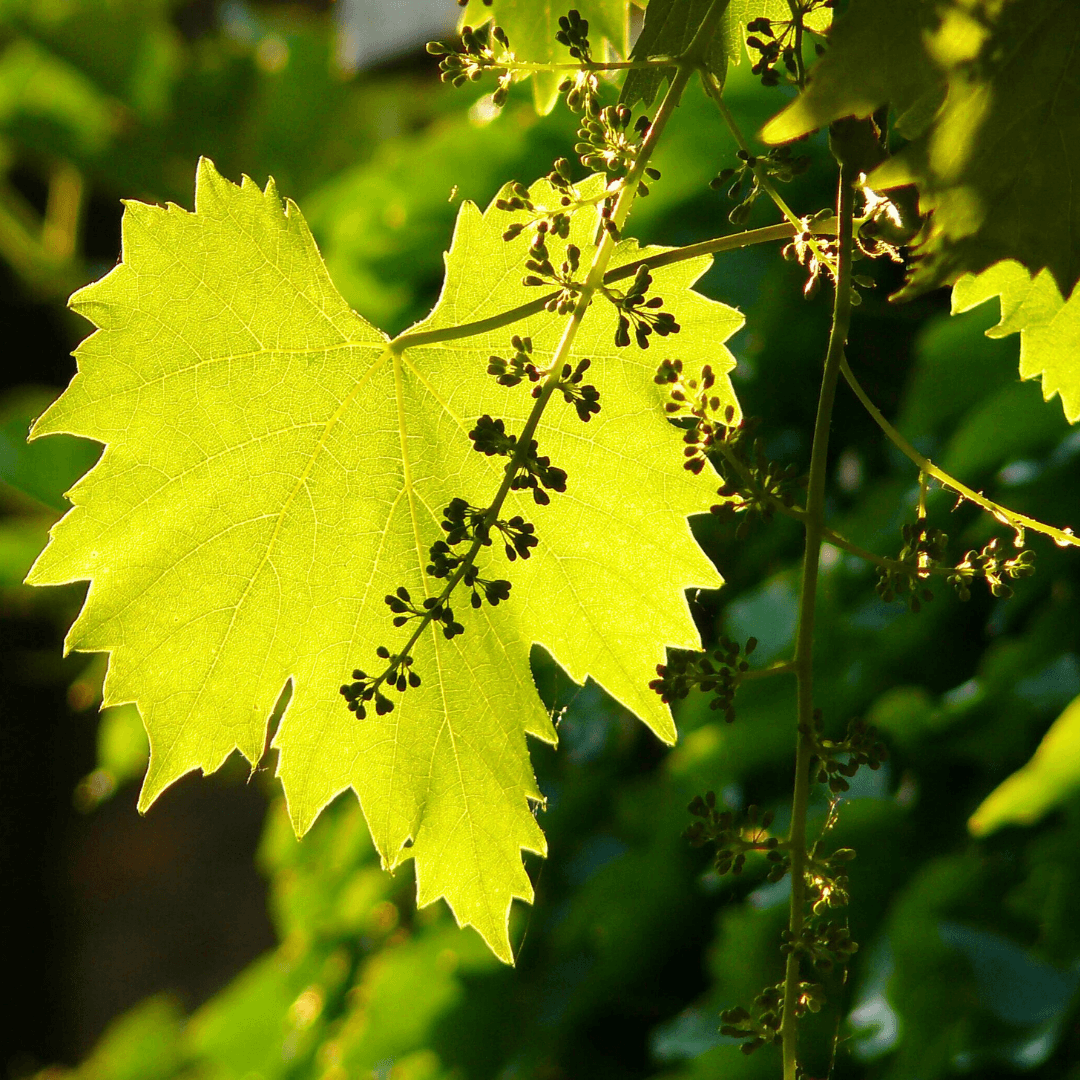
Other acid printers include Wood sorrel, Garden sorrel (Oxalis), small Rhubarb leaves, Common barberry (red), Grapevine plants, Nandina, Persicaria and Ginkgo biloba, depending on the background colors used.
Learning how plants behave
One of the most fascinating aspects of ecoprinting is discovering how different plants behave during the process.
Many plants actually contain several of these qualities at once, which is why experimentation and observation are so valuable.
As you begin to recognise the behaviour of different plant printers, it becomes easier to design your compositions intentionally and combine plants in ways that support and enhance each other.
Over time, this understanding allows you to move from prints that feel unpredictable toward a practice where you better understand why certain colors, shapes and reactions occur — and how your choices influence the outcome.
When working with ecoprint plants, it can be helpful to think of plants in terms of how they behave on the fabric. Some plants act as color printers, others are tannin-rich plants, some create delicate light prints, while others function as non-printers or acid printers.
By observing how different plants behave and combining them thoughtfully, you can create more dynamic compositions and develop a deeper understanding of the botanical printing process.
The more I work with ecoprinting, the more I discover how small changes can completely transform a print — and understanding those relationships opens up a much more intentional way of working with botanical color and detail.
That deeper understanding is what I explore inside → Ecoprint Next Level, where I share the methods and processes I use in my own studio practice — from plant behavior to building more intentional and experimental botanical compositions.