
Beauty in the In-Between: Decay in Botanical Printing and Ecoprinting
As summer fades into autumn and eventually winter, plants begin to wither, dry out and slowly decompose. Leaves lose their color, become more transparent, fold and change shape. In some, the veins become more pronounced. Others develop holes from insects or slowly break down into delicate, almost lace-like structures.
And honestly, I often find these stages in between more interesting to work with than fresh plants.
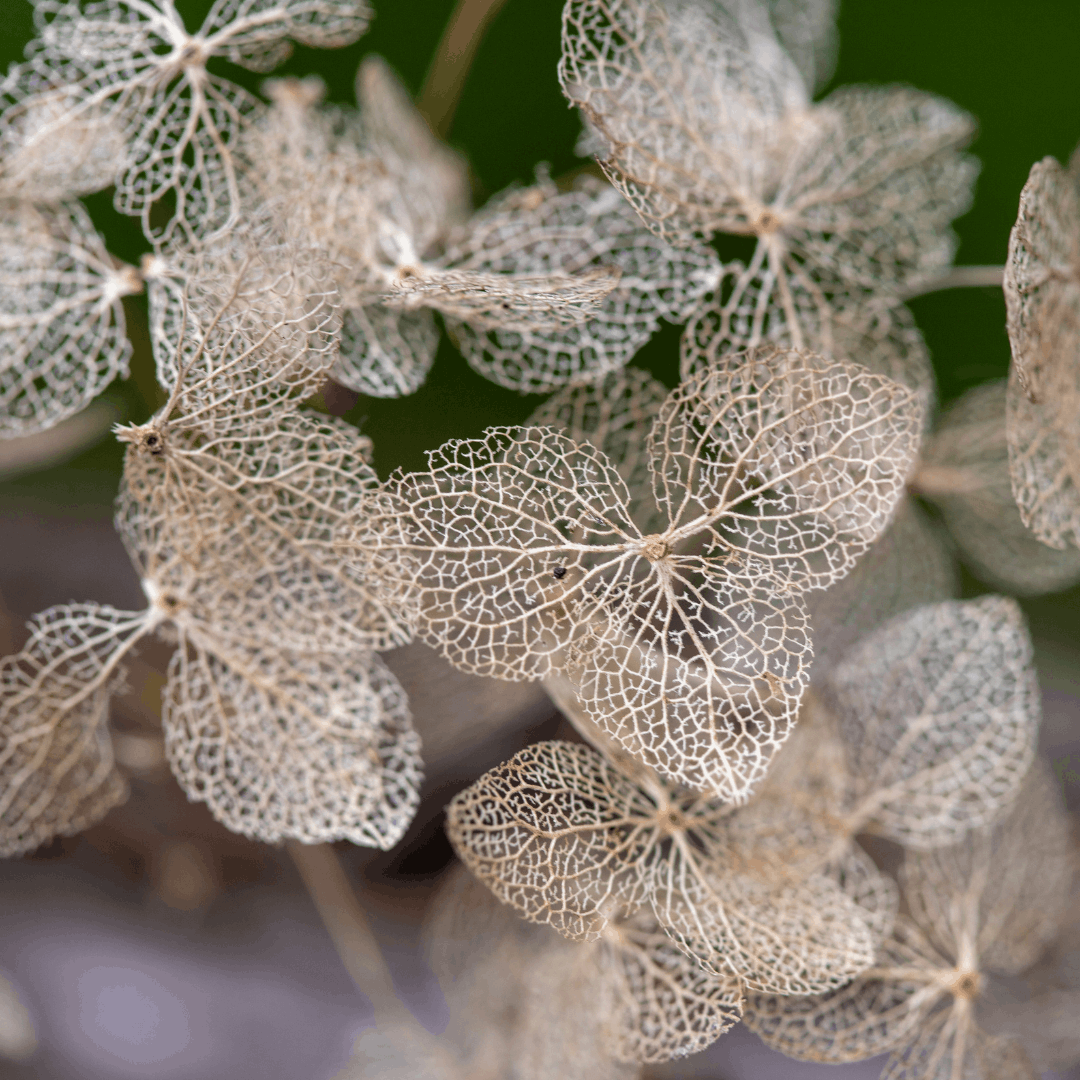
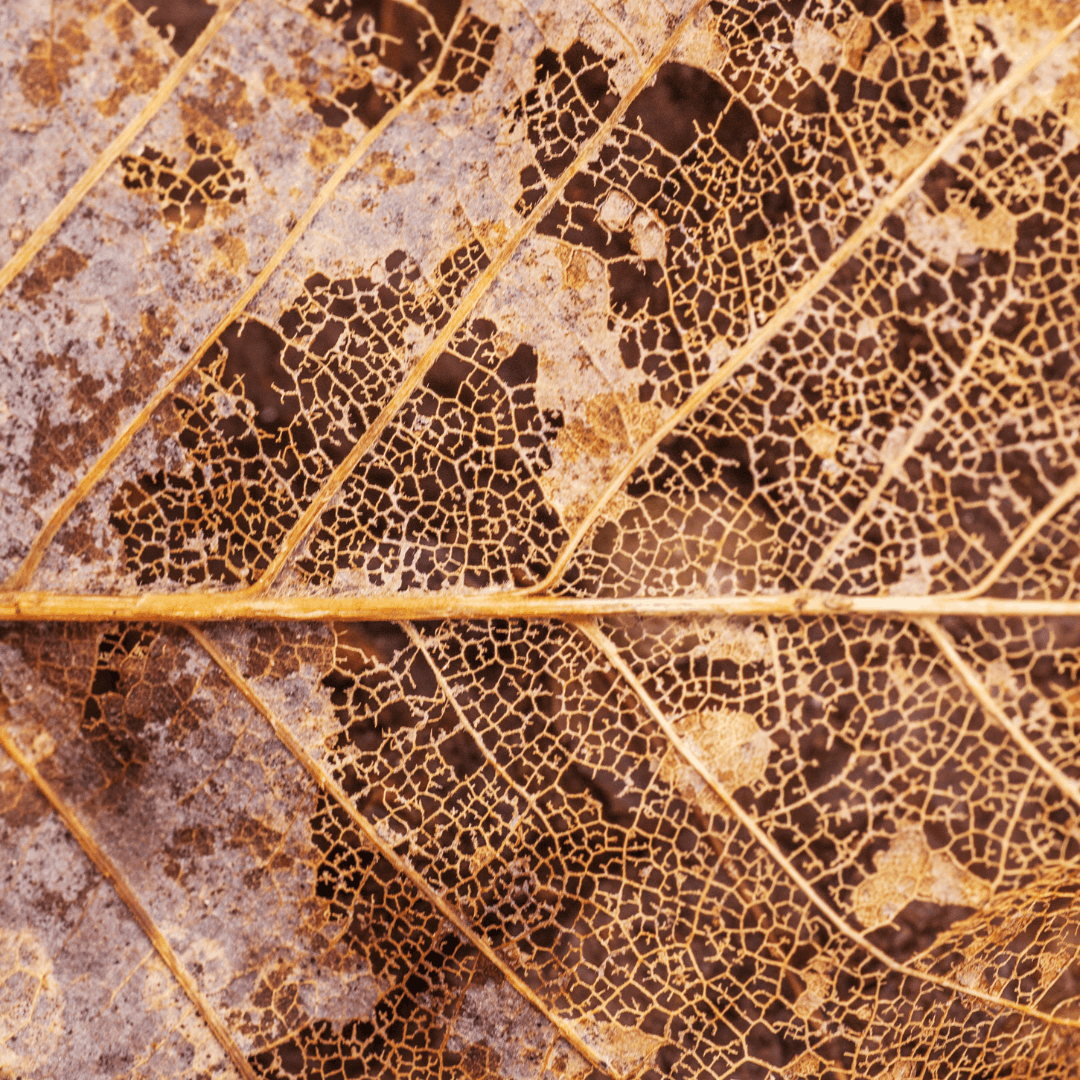
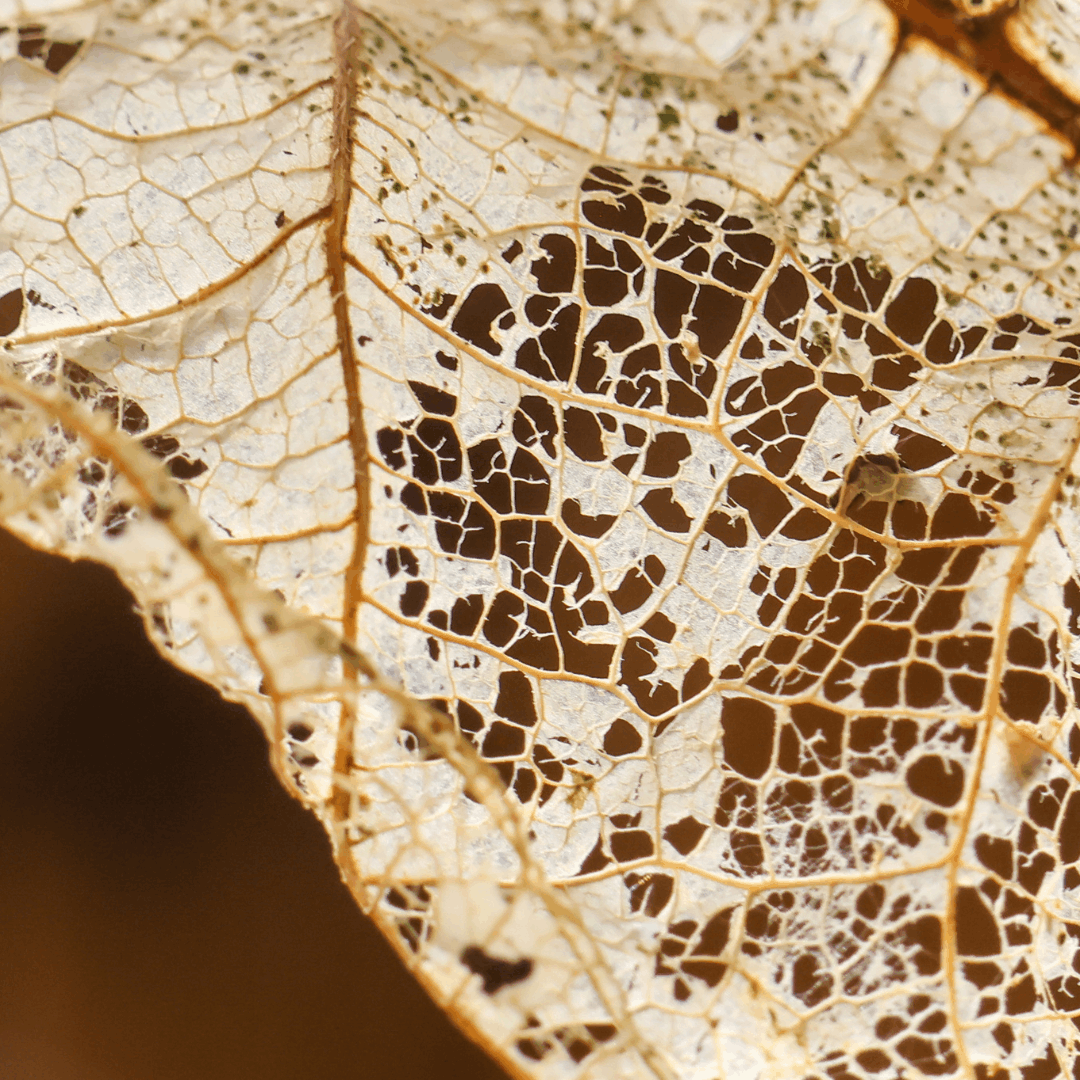
The poetic and visual language of decay
There is something deeply fascinating about decay. We often discard what is marked by time because it no longer appears perfect. But somewhere in the space between perfection and decay, something else begins to emerge. A stage where the plant is changing, where its original form is beginning to break down, and some of the most beautiful structures and shapes reveal themselves.
I find something poetic in this process. The plants carry the rhythm of the seasons within them, and their gradual transformation becomes a visible reminder that nothing in nature remains unchanged.
What appears to be the end of something can also be the beginning of something new. In nature, decomposition is not an ending, but part of a continuous cycle of transformation, where what once grew eventually becomes part of the soil that nourishes new growth.
This is what makes decayed plant material so fascinating in botanical printing. The delicate skeleton of a leaf, traces left by insects and curled edges can all create an expression that fresh plant material simply cannot offer. These traces of transformation become part of the print, turning the cycle of nature into a poetic and visual language that can be translated into completely unique botanical prints.
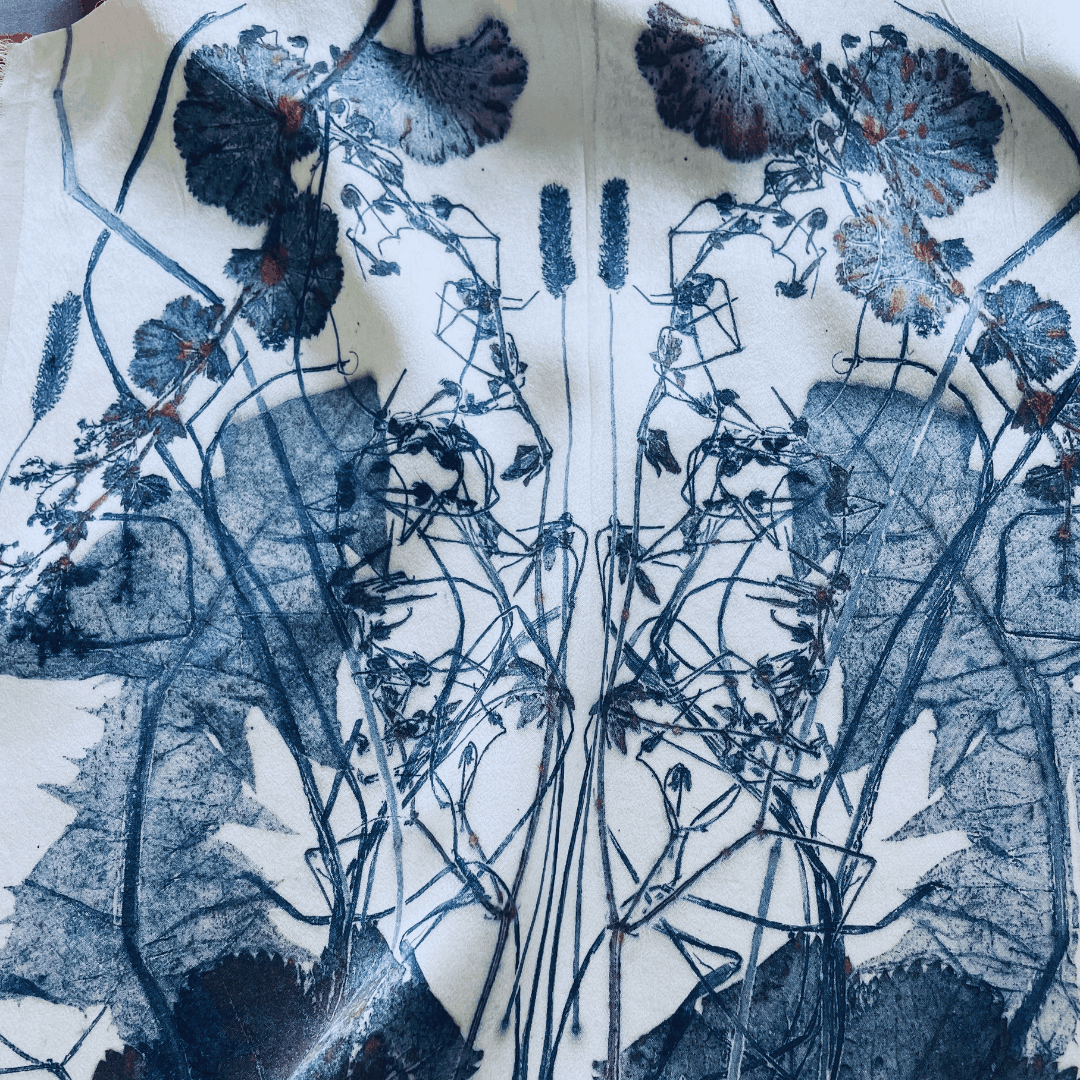
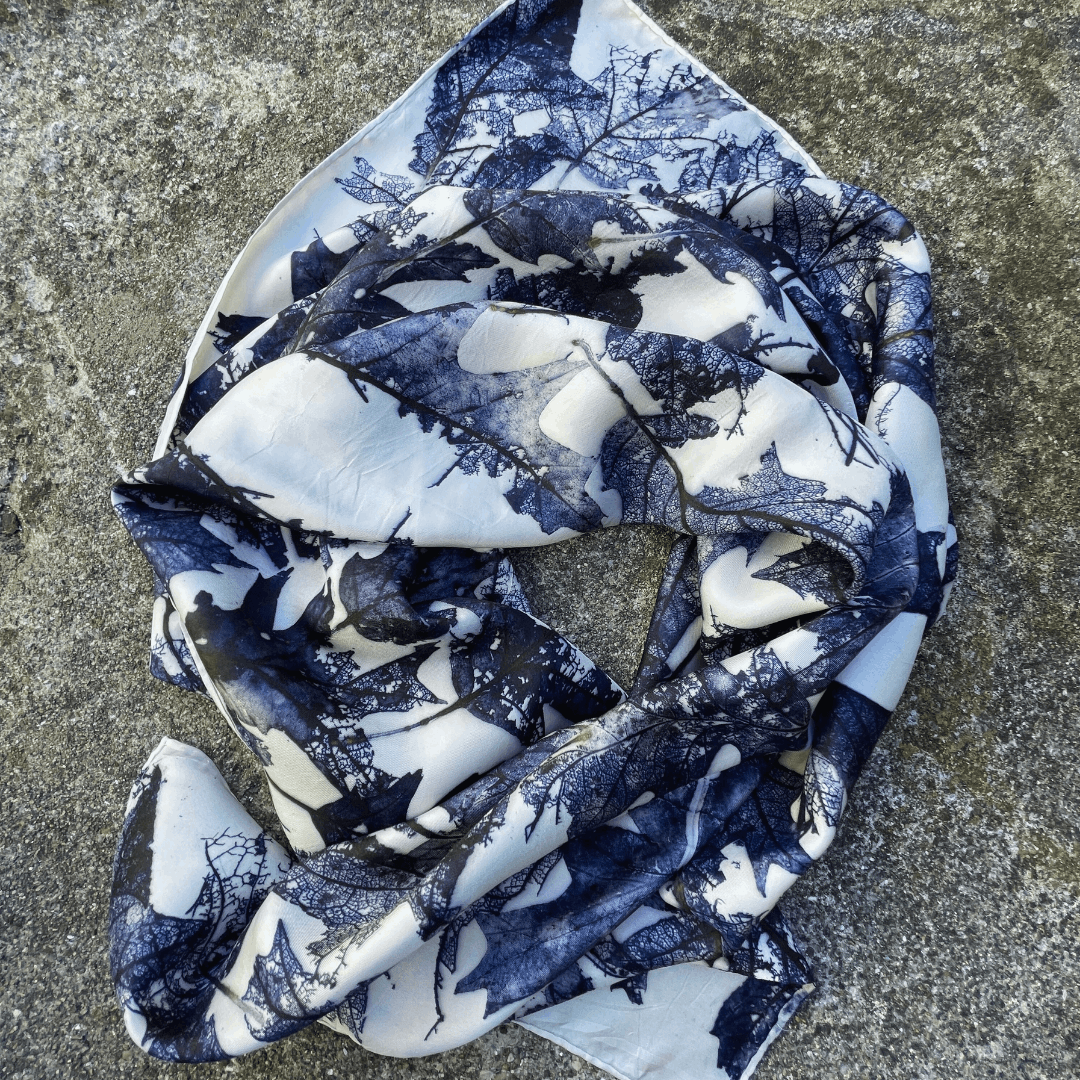
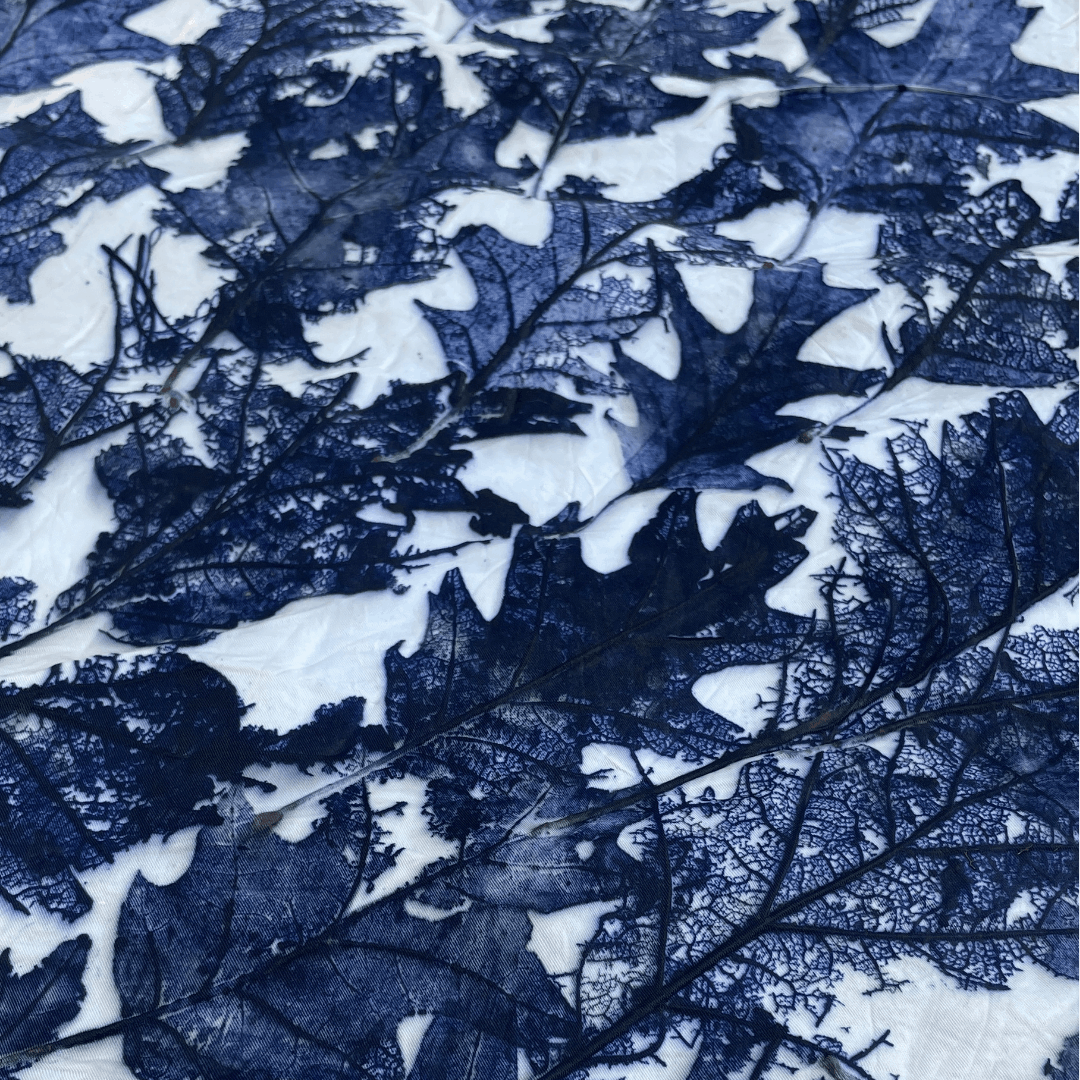
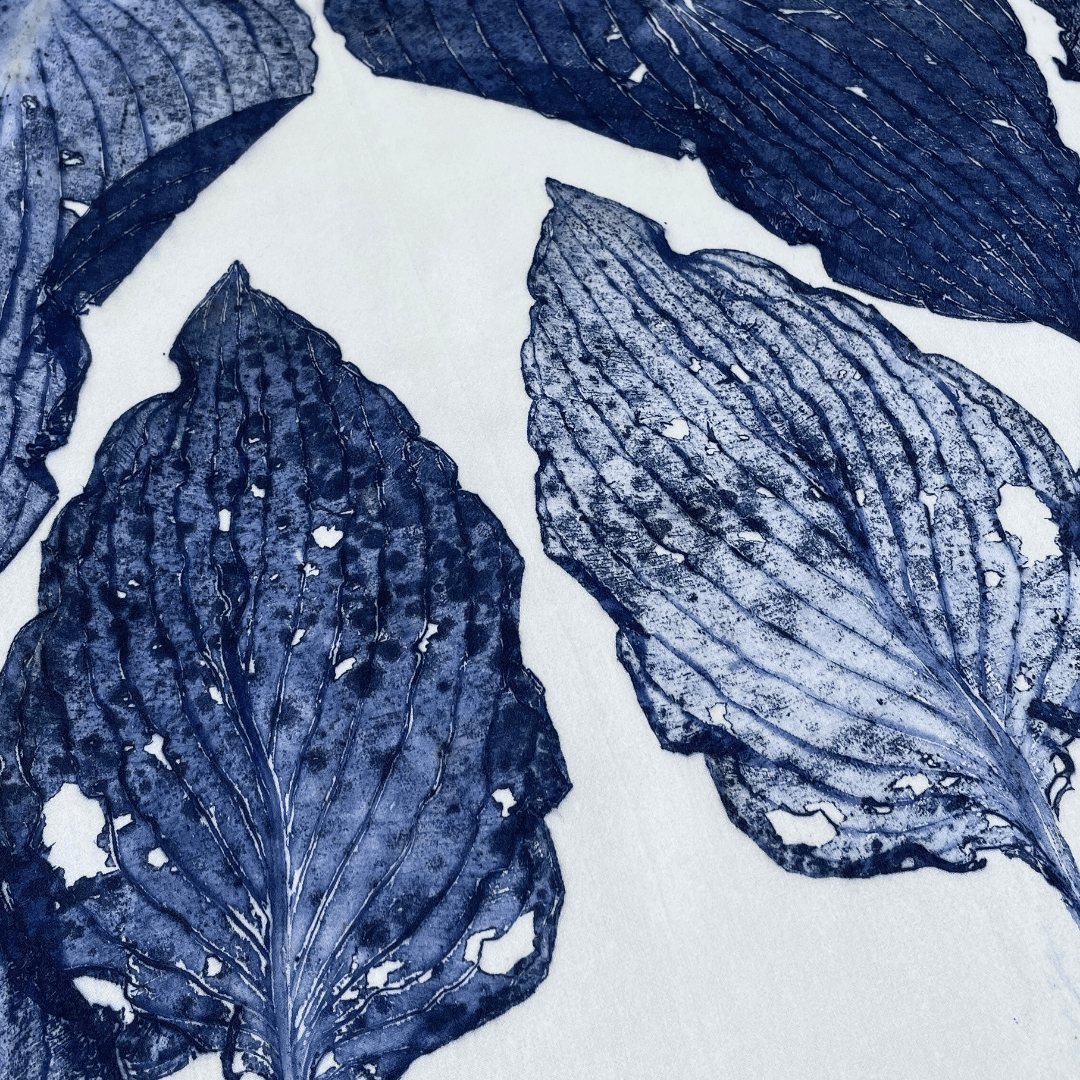
Decayed plant material can be used to create negative prints, delicate tone-on-tone effects, graphic structures and interesting textures. Leaves with insect-eaten holes can add another layer of pattern, while partially decomposed leaves and skeletal structures can create fine, almost lace-like impressions.
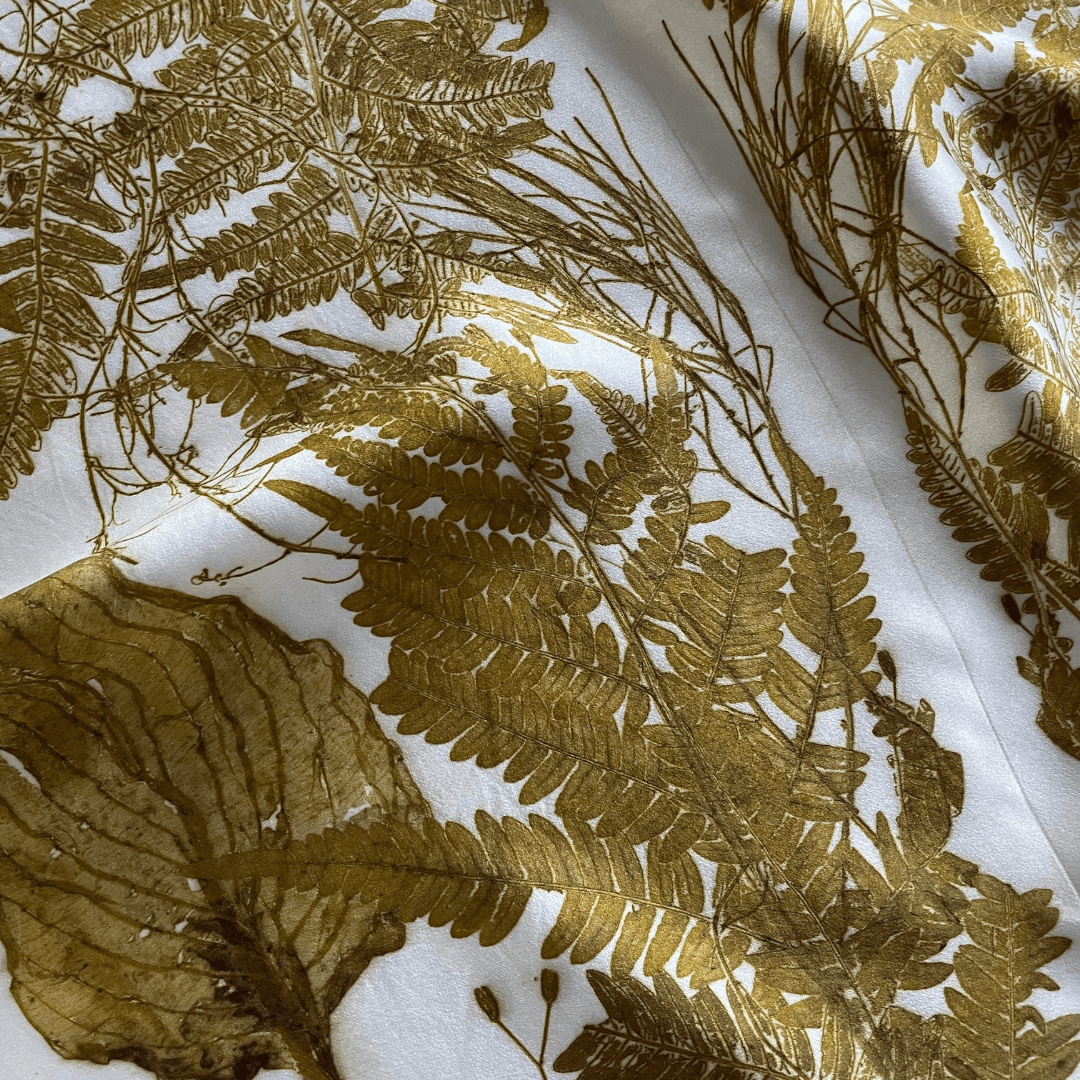
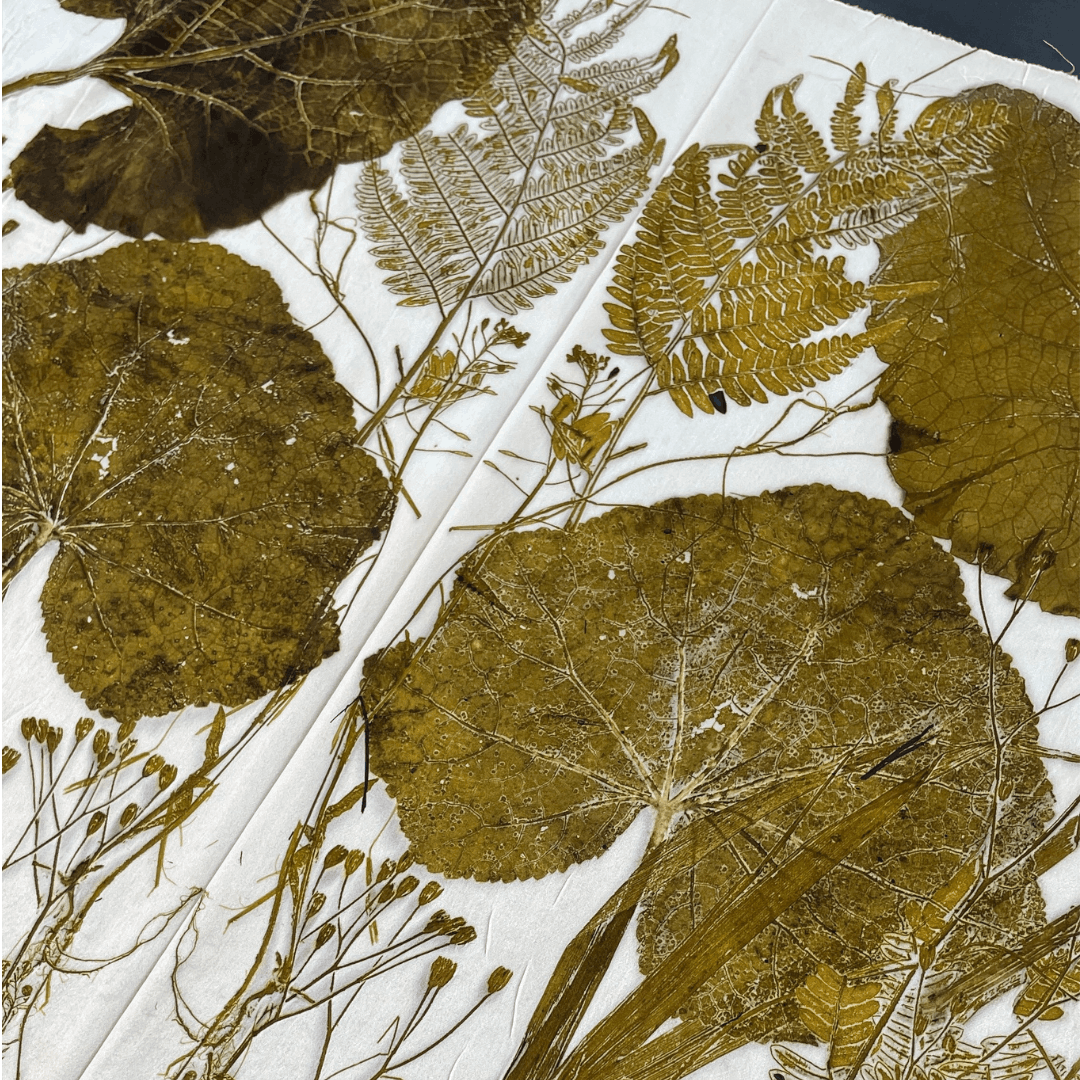
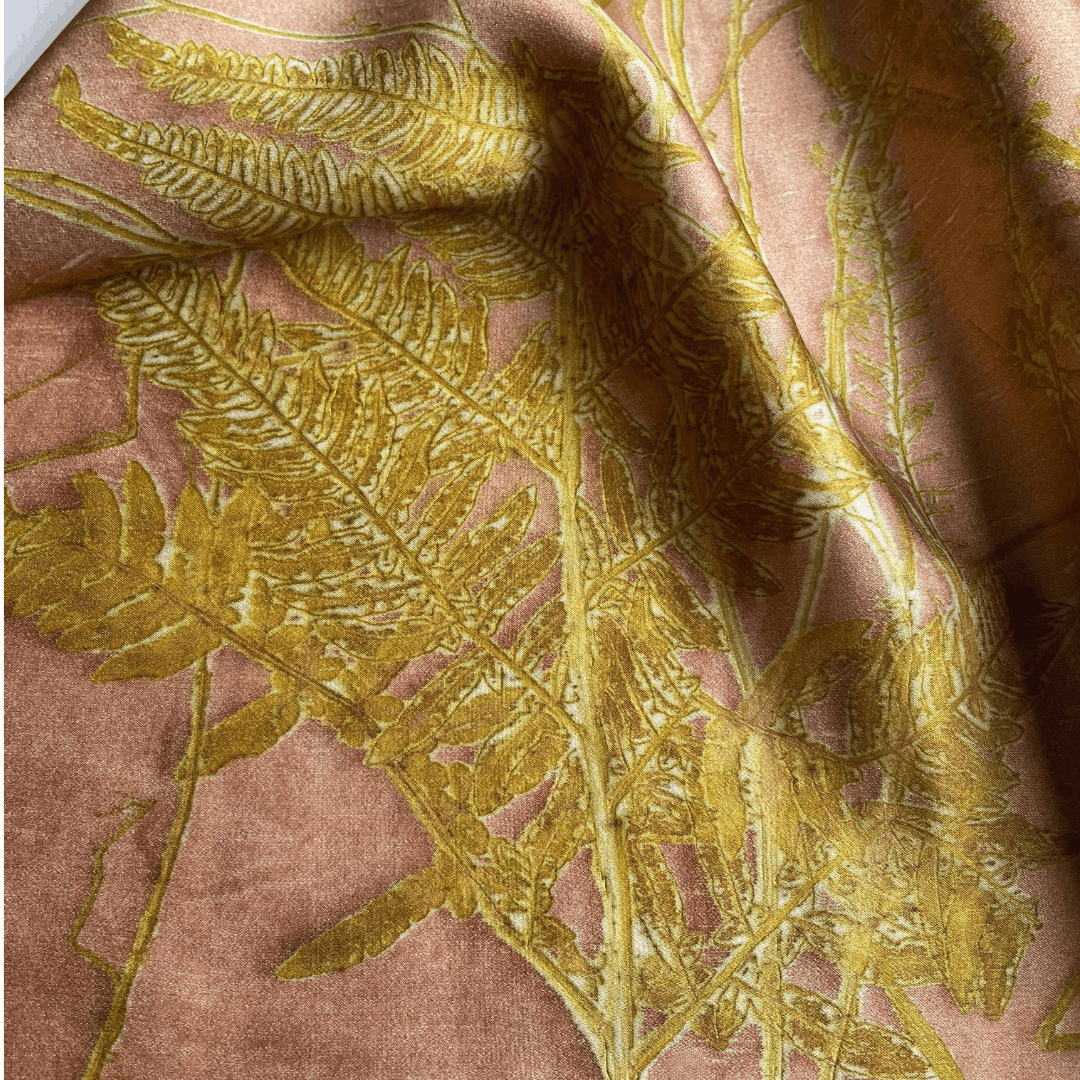
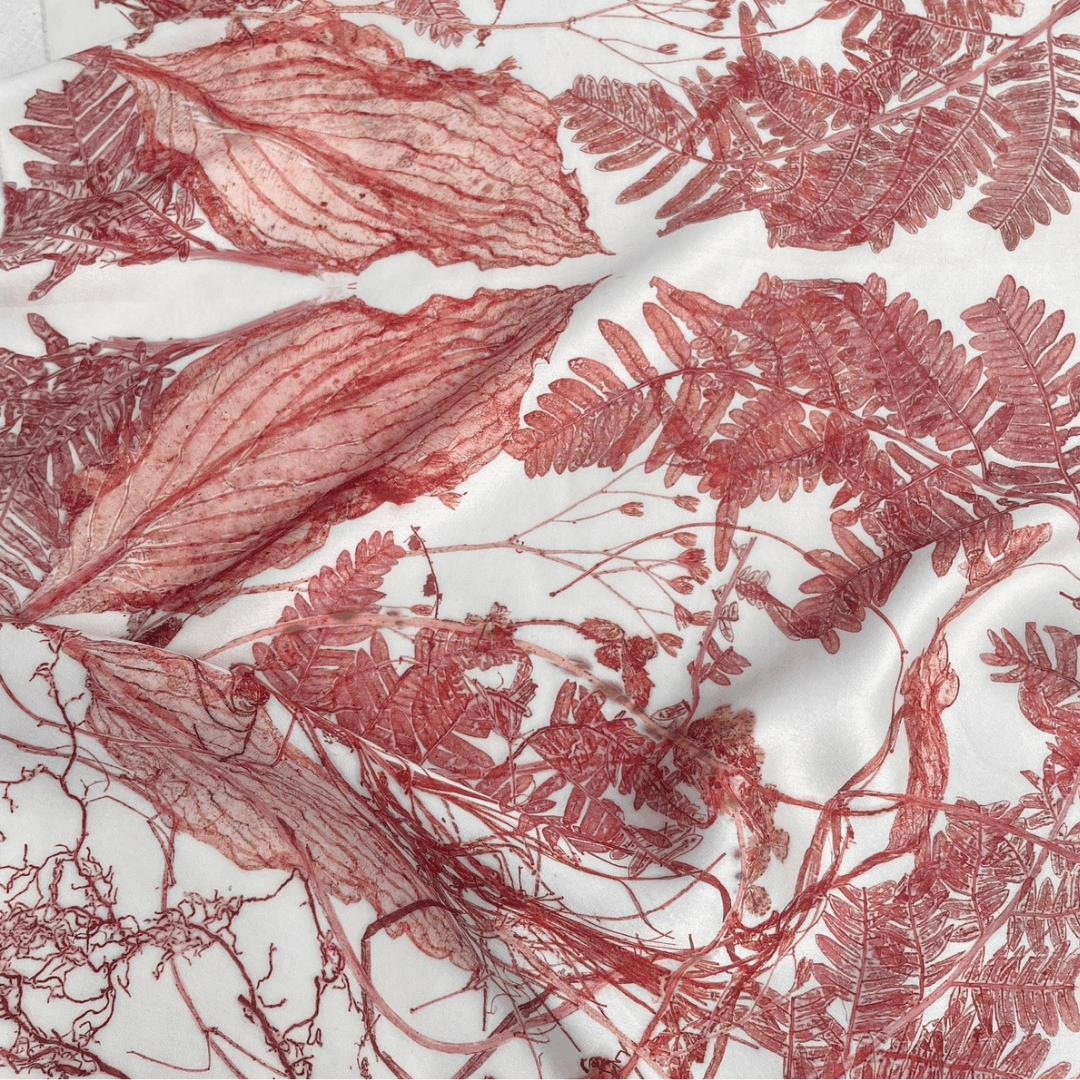
In Ecoprint Next Level, we explore how these different stages of decay can be used intentionally in botanical printing.
We also look at what to gather throughout autumn and winter, including the types of leaves, grasses, vines, seed heads and partially decomposed plant material that are particularly interesting to collect and preserve for future printing.
The aim is not simply to collect dried plants, but to learn to recognise the different qualities that decay creates and understand how those qualities can be used as part of the print.
What to Look for When Gathering Decayed Plant Material
When gathering withered and partially decomposed plant material, I primarily look for:
Interesting shapes created through the process of decay
Leaf skeletons and delicate structures that have become visible as the plant breaks down
Holes and patterns created by insects
Textures that can add another layer to the print
Grasses, seed heads, vines, tendrils and other elements that create movement
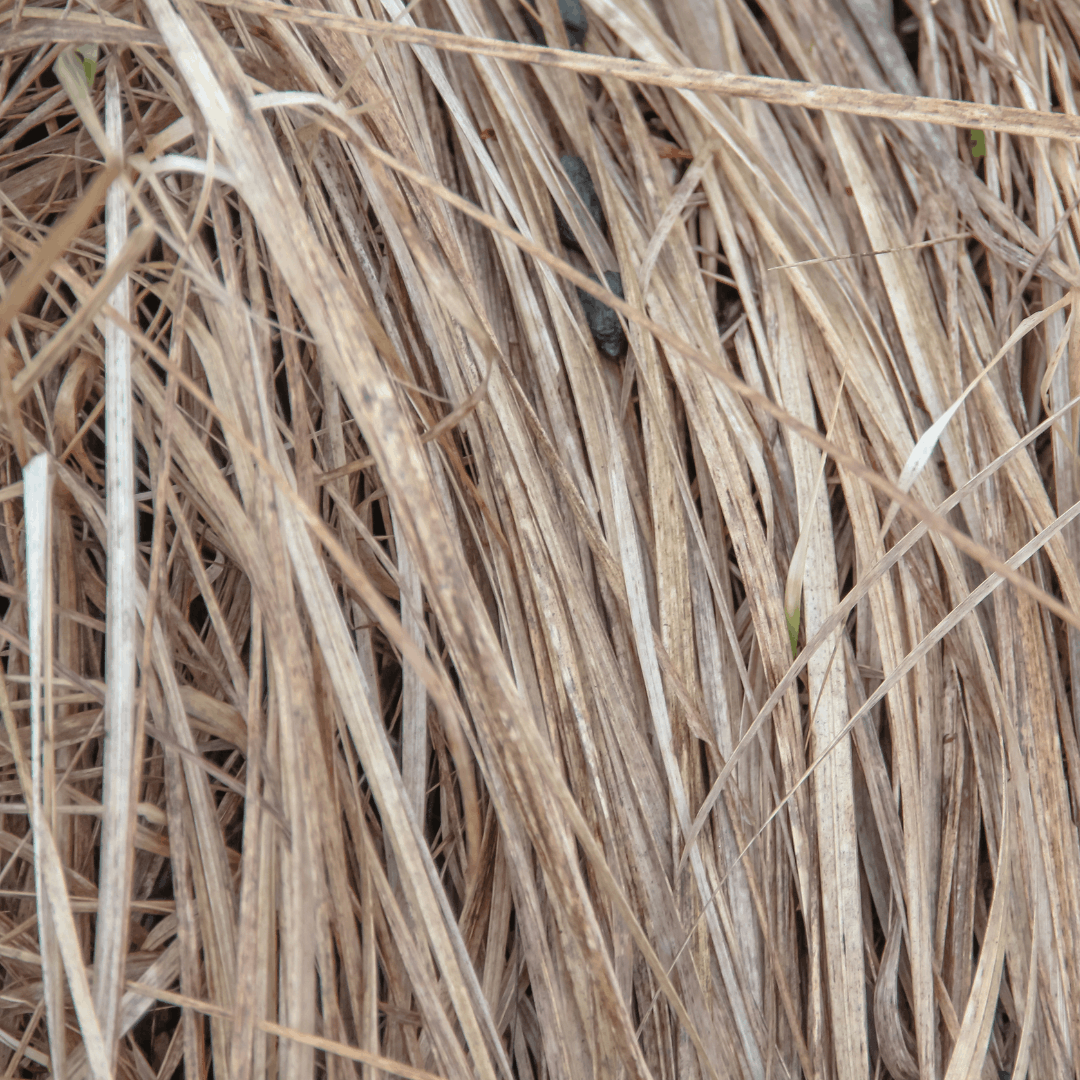

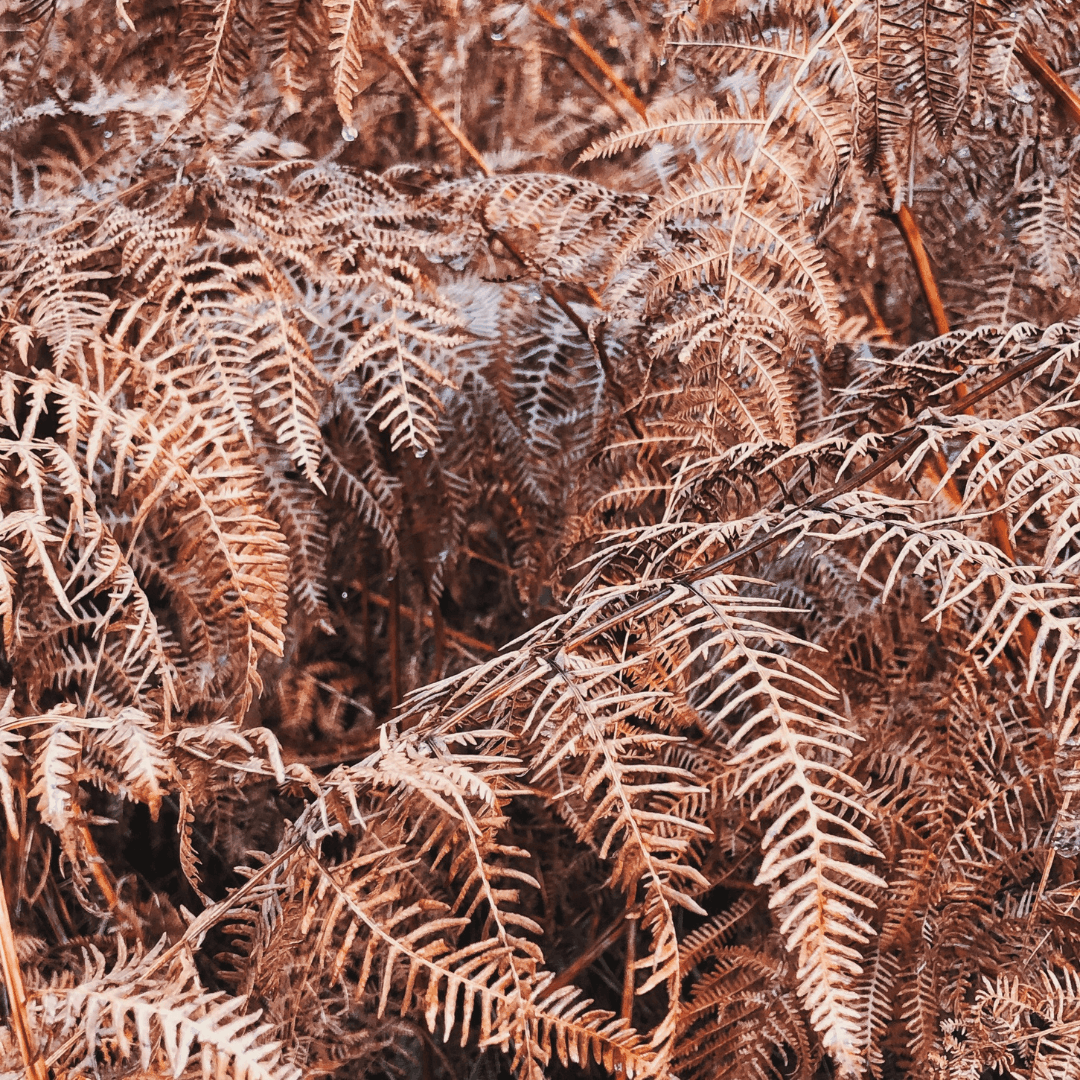
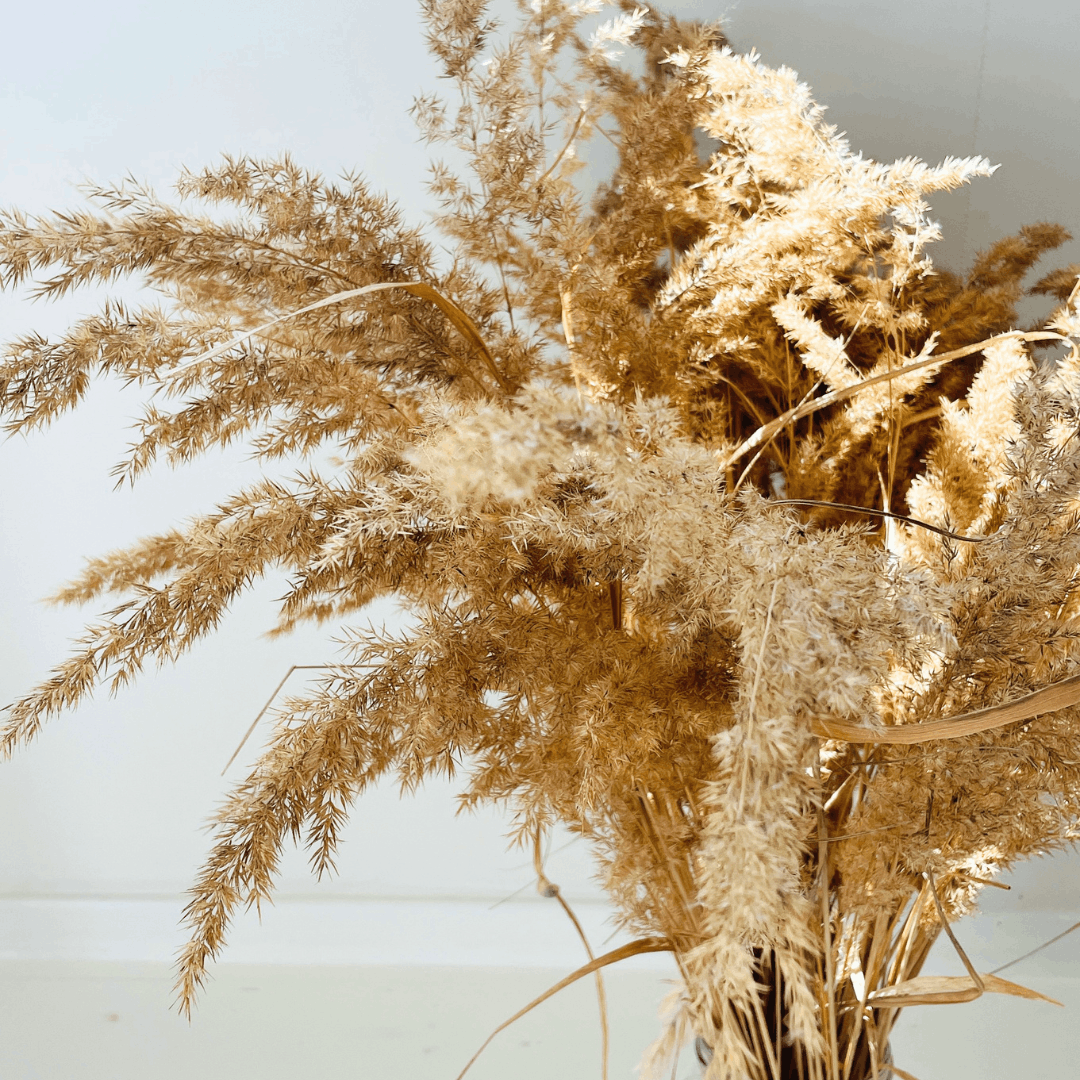
I don't necessarily collect with a specific print in mind. Often, something simply catches my eye because of its shape, structure or stage of decay. Later, when I work with it, I discover what it can contribute to the print.
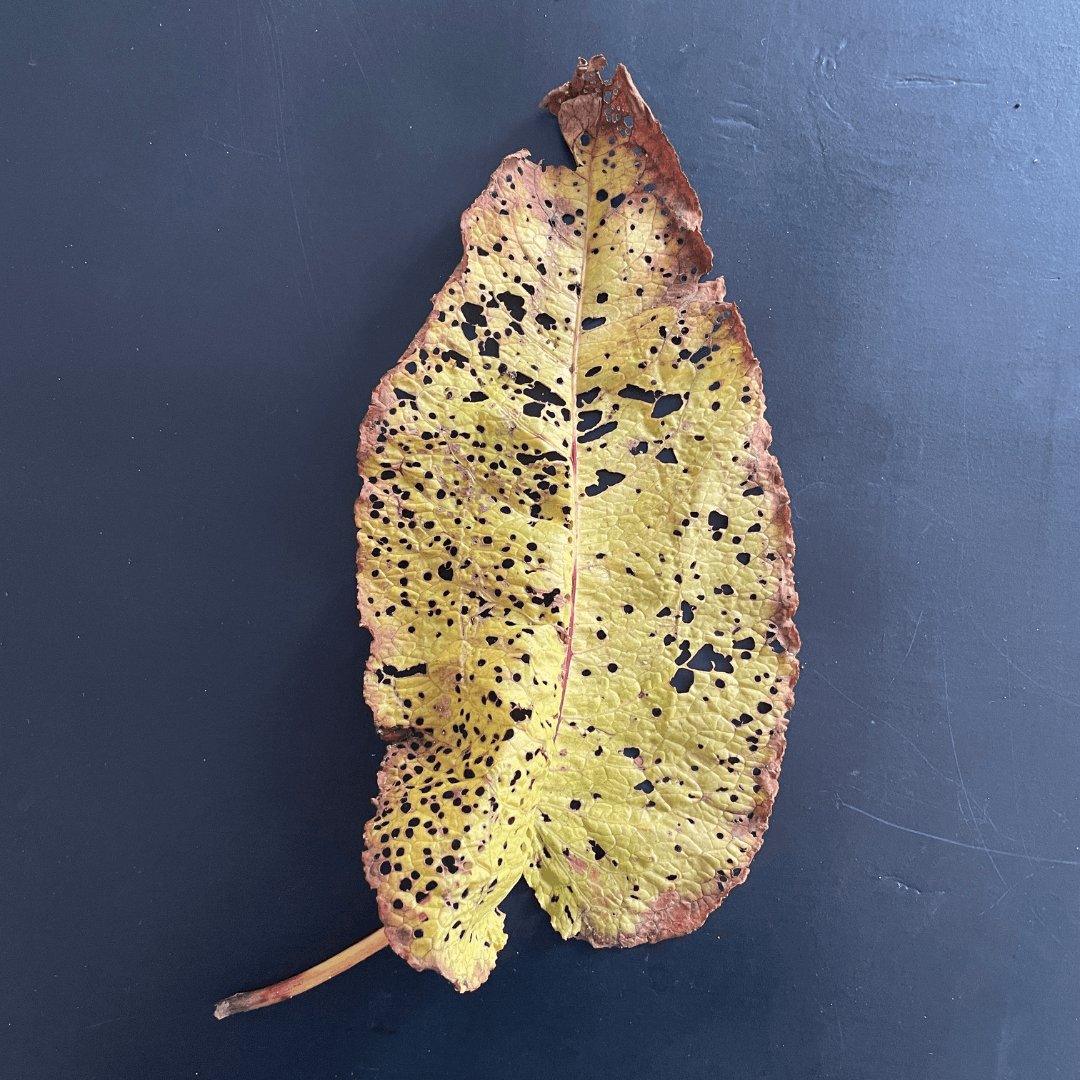

All these materials can be used for negative prints in traditional ecoprinting, where the plant's silhouette remains visible against the background color. They can also create beautiful textures and layered effects, particularly when working with leaves that have insect-eaten holes or partially decomposed structures. And last but not least they can be used to create the more graphic, tone-on-tone prints, all workflows including plants used, mordants and dye compositions are fully covered in Ecoprint Next Level.